Customs automation explained: generate invoices, packing lists, and HS-coded declarations from shipment data, in the destination country's language.

Customs automation explained: generate invoices, packing lists, and HS-coded declarations from shipment data, in the destination country's language.

Internationalization (i18n) is the engineering that makes software language-ready. What it covers in code, why retrofits cost 2–5x and what to ask vendors.

Localization vs translation: one converts text, the other adapts the whole product. What each costs and when each is enough, from 20 years in the trade.
Multi-currency support explained: why exchange-rate math at checkout fails, how to store money correctly, and what rounding rules markets actually need.
RTL support explained: how right-to-left interfaces actually break, what logical CSS and bidirectional text require, and how to test it properly.
Unicode and character encoding explained: how 'José' becomes 'José', why it happens, and what UTF-8-everywhere actually requires in production.
Affordable custom software starts at EUR1,500 with Globaprom's fixed-price packages. Real price ranges, a worked example, and what moves the number.
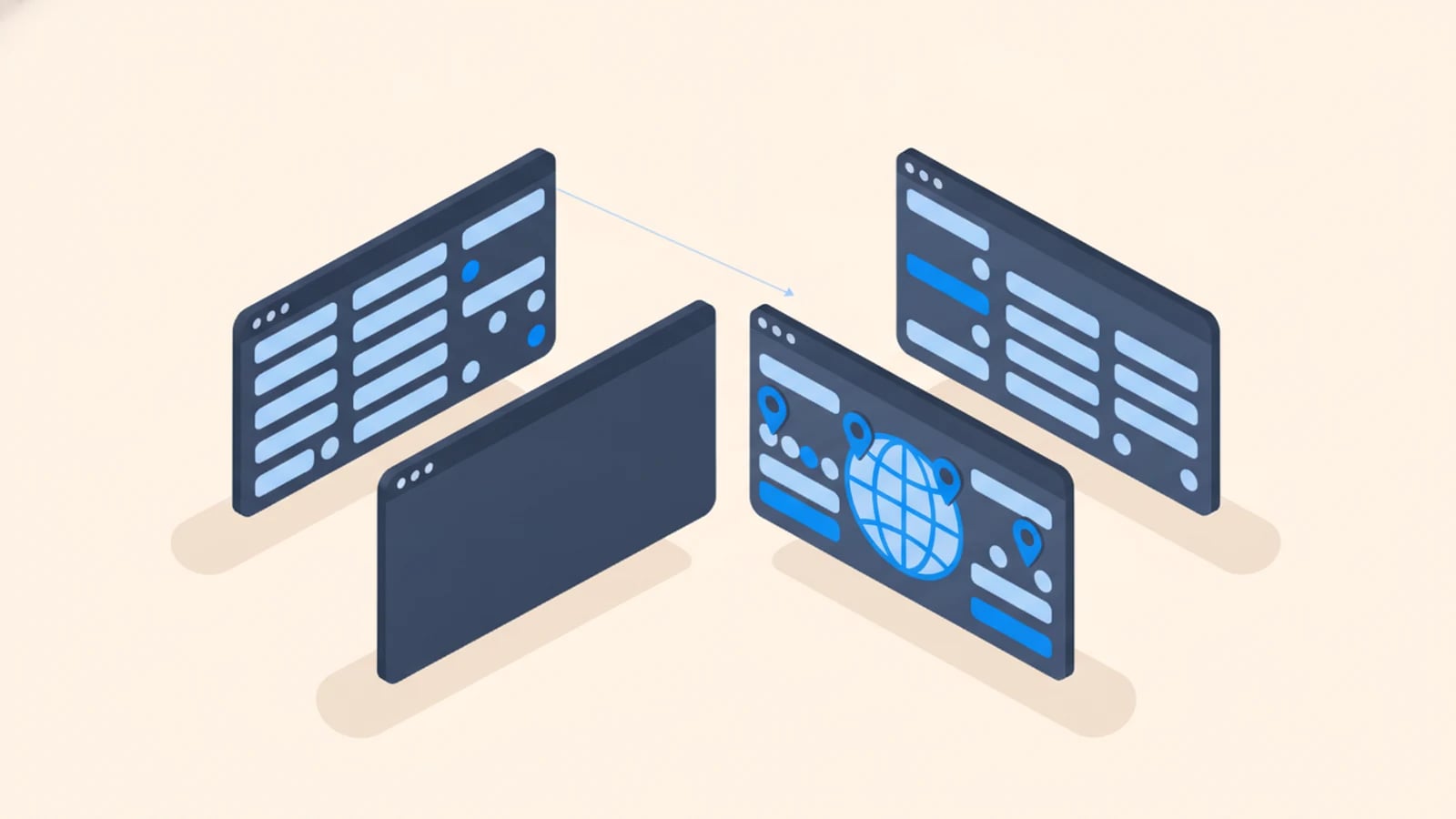
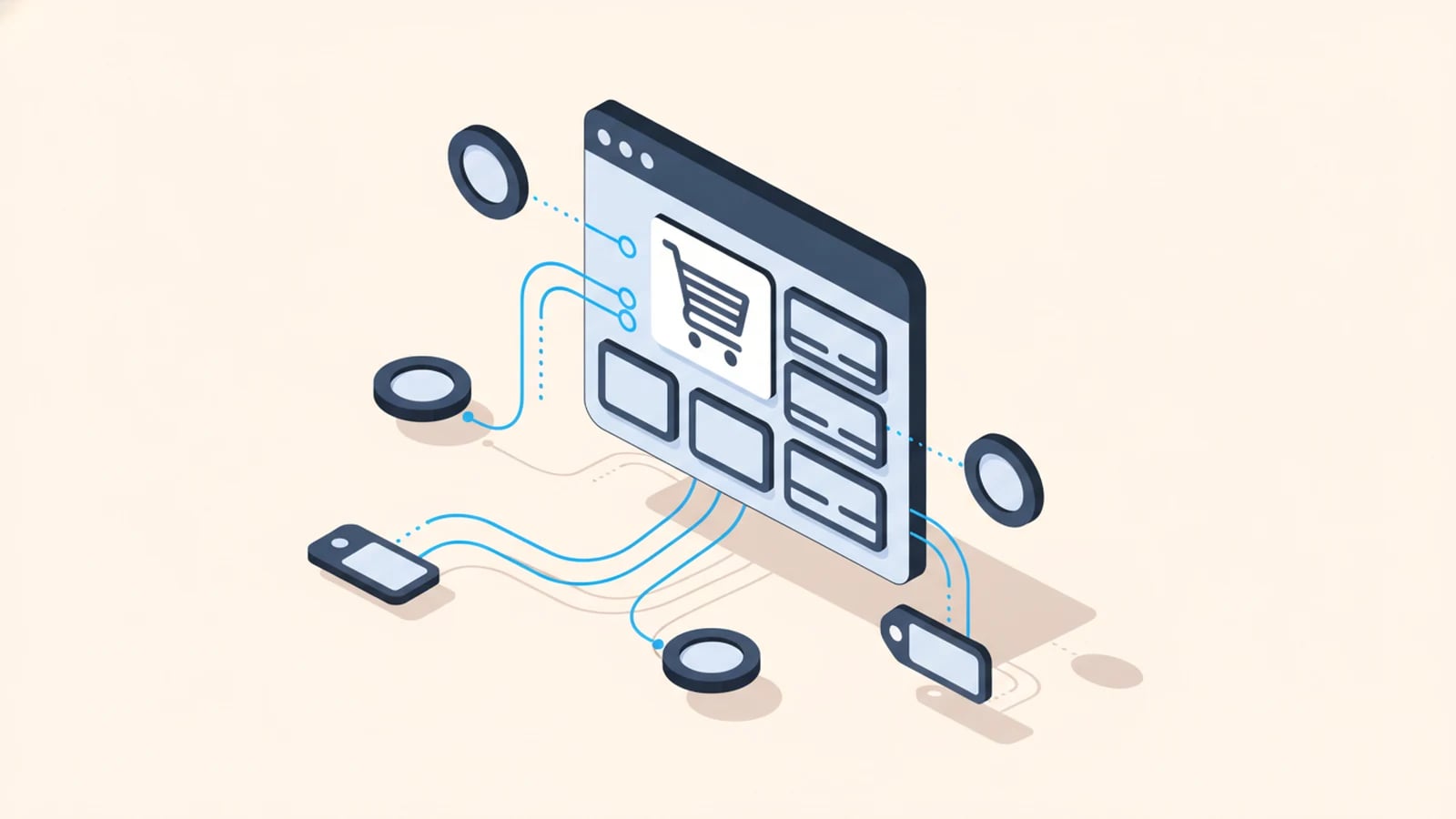
What a multilingual ecommerce website needs beyond translated text: local payment methods, multi-currency pricing, and PIM-backed catalogs, done right.
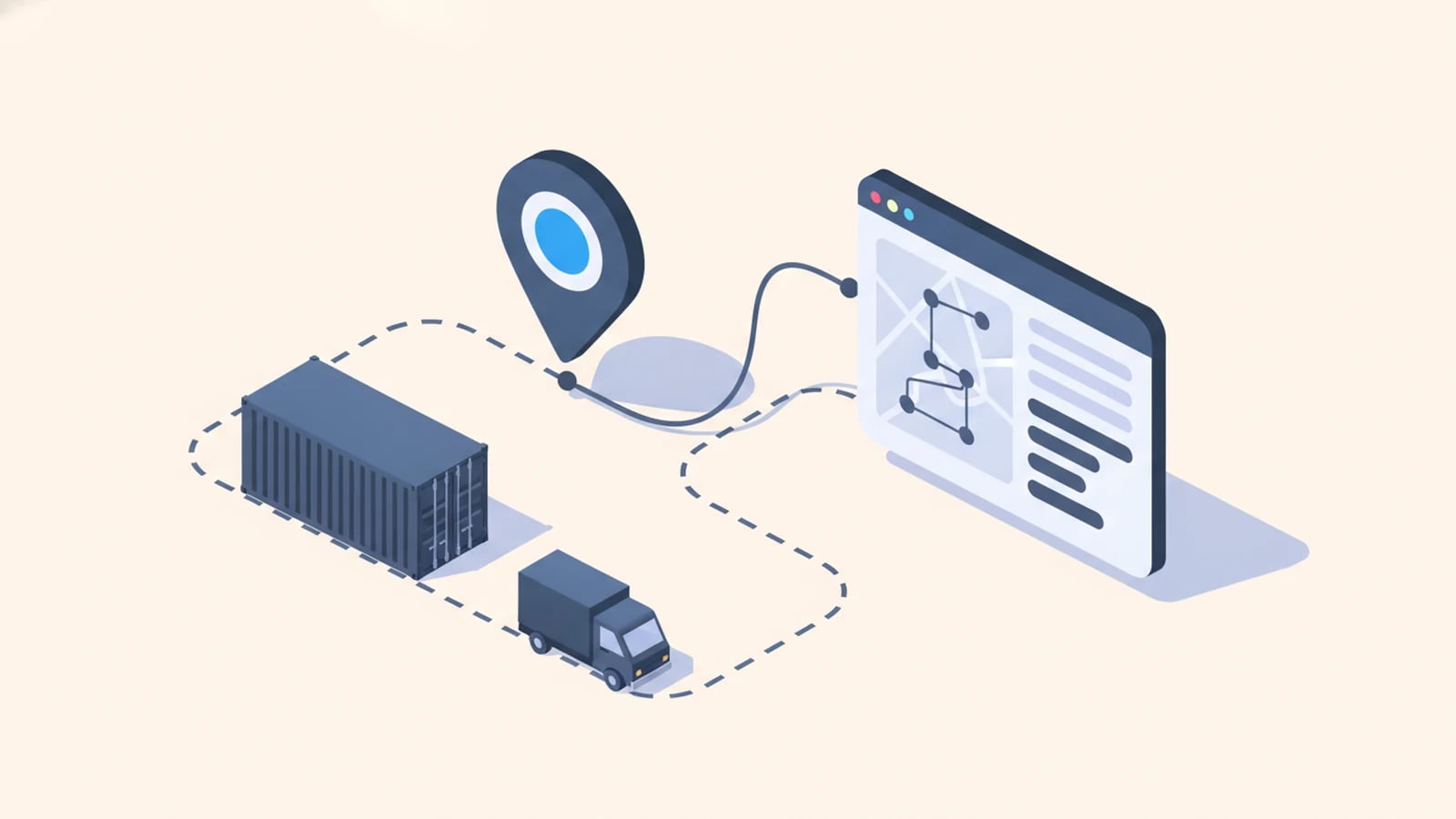
Freight tracking software compared: what real-time visibility needs, and when shipment tracking SaaS beats a custom portal built for your carrier mix.
Carrier API integration explained: what it connects across ocean, trucking, and parcel carriers, what building it takes, and when to buy instead.
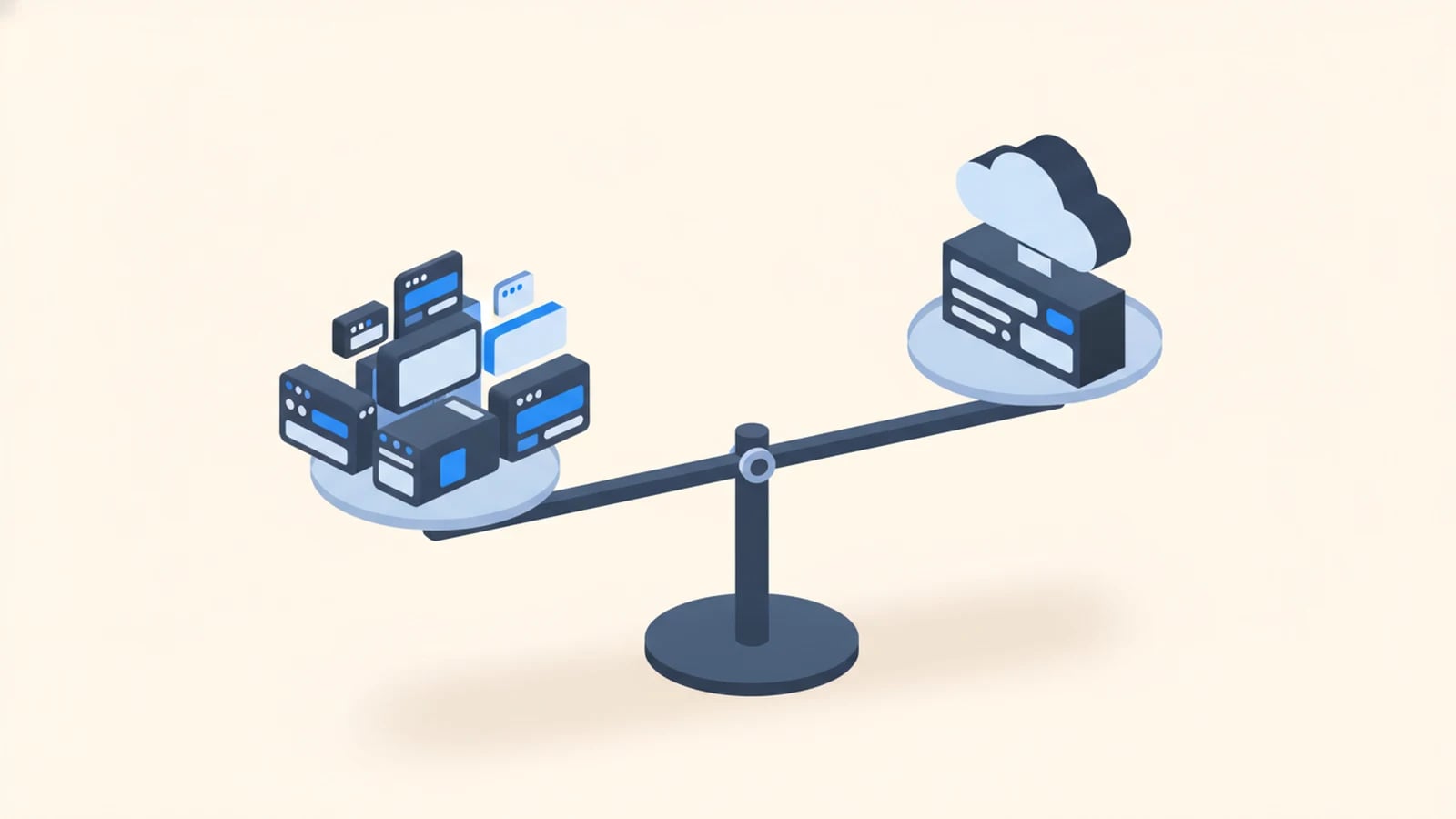
When should you build custom software instead of buying it? A decision tree, four questions, and five real scenarios with clear build-or-buy verdicts.
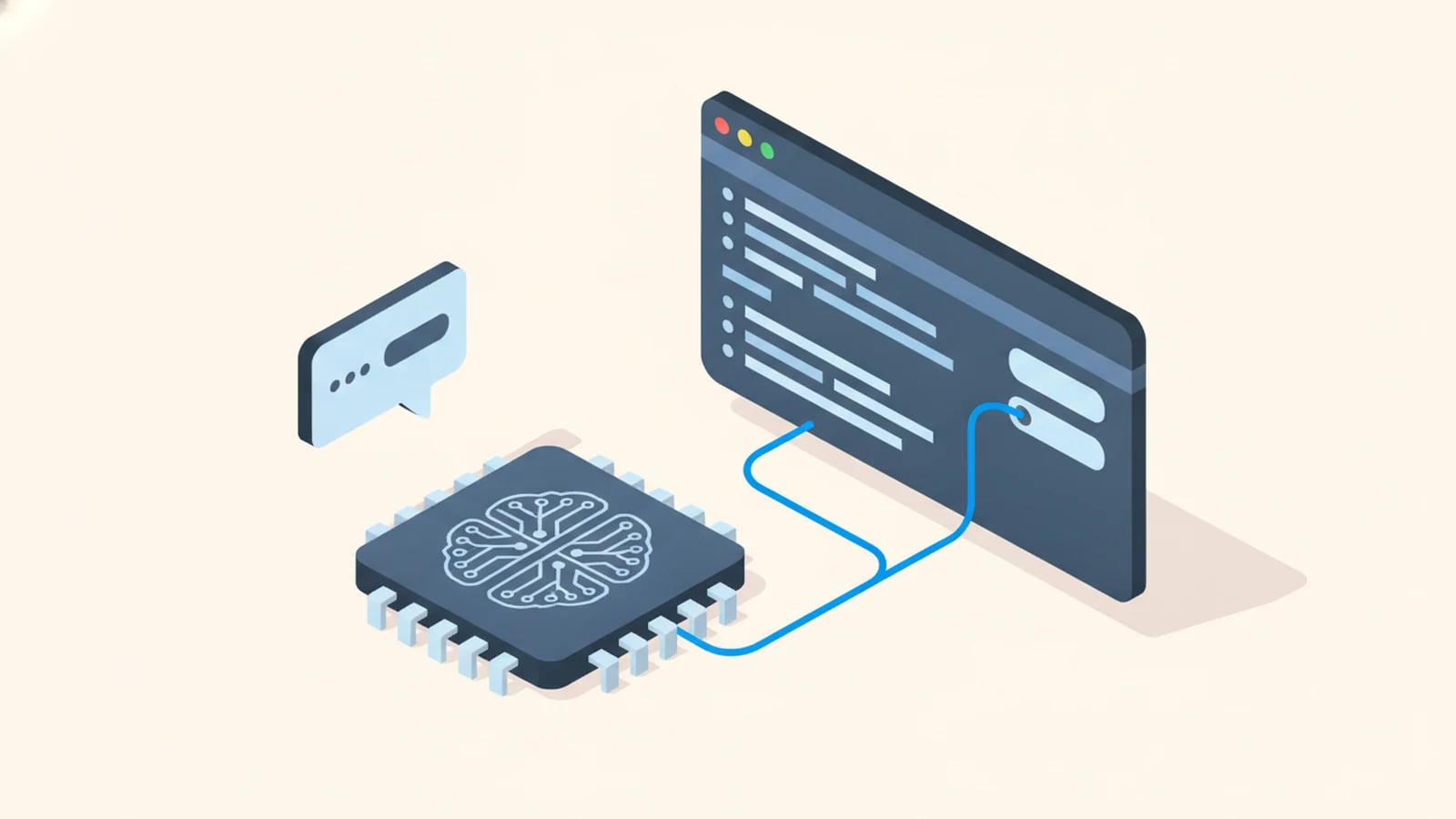
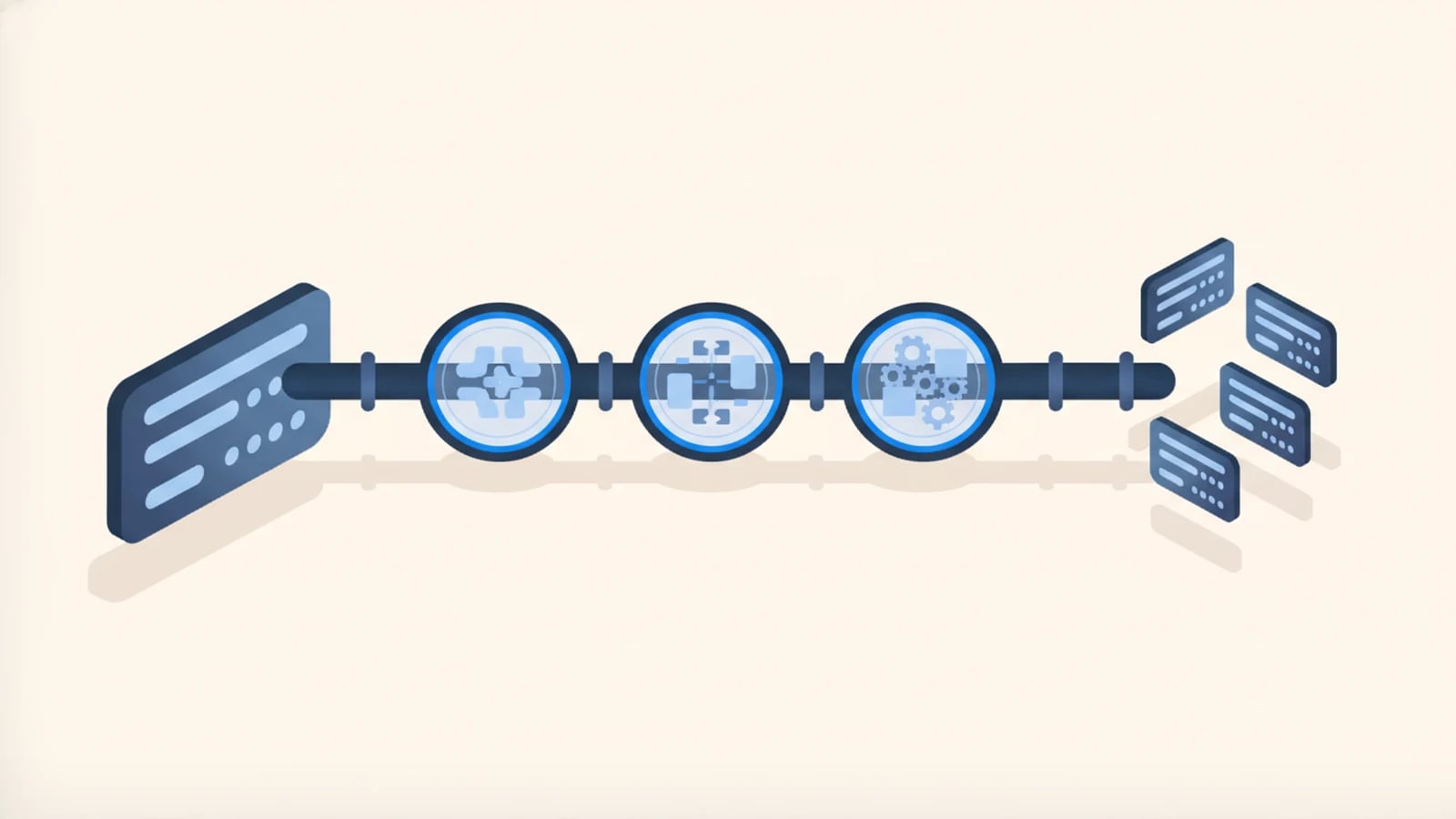
A translation pipeline moves content from code to live translation automatically: extraction, TMS handoff, human or MTPE translation, review, and deploy.