Vibe Coding, Explained: From Prompt to Production Software
Vibe coding is a software development approach where a person describes what they want in plain language and an AI model writes the code, with the output accepted largely on trust rather than reviewed line by line.
The term only dates from February 2025, and it already names one of the biggest shifts in how software gets built. Globaprom turns its speed into production-grade custom software development: AI-assisted building with senior engineers reviewing every line.
Where the Term "Vibe Coding" Comes From
Andrej Karpathy coined the term in February 2025. Karpathy, a co-founder of OpenAI and former director of AI at Tesla, described "a new kind of coding I call 'vibe coding'" in a post on X: a way of coding where you "fully give in to the vibes" and "forget that the code even exists."
Two details from that post matter more than the catchphrase. First, he was describing a real workflow: talking to an AI assistant, accepting all its suggestions, and pasting error messages back in until the program worked. Second, he was clear about scope, calling the approach "not too bad for throwaway weekend projects."
So the person who named vibe coding presented it as an experiment, not an engineering standard. The word spread anyway. Within months it was applied to everything from hobby apps to funded startups, and Collins Dictionary named "vibe coding" its Word of the Year for 2025.
You will see the term written two ways: "vibe coding" and "vibecoding." Both describe the same practice, and we use them interchangeably.
How vibe coding actually works
A vibe coding session is a loop with five steps. What makes it vibe coding is the decision not to read the output.
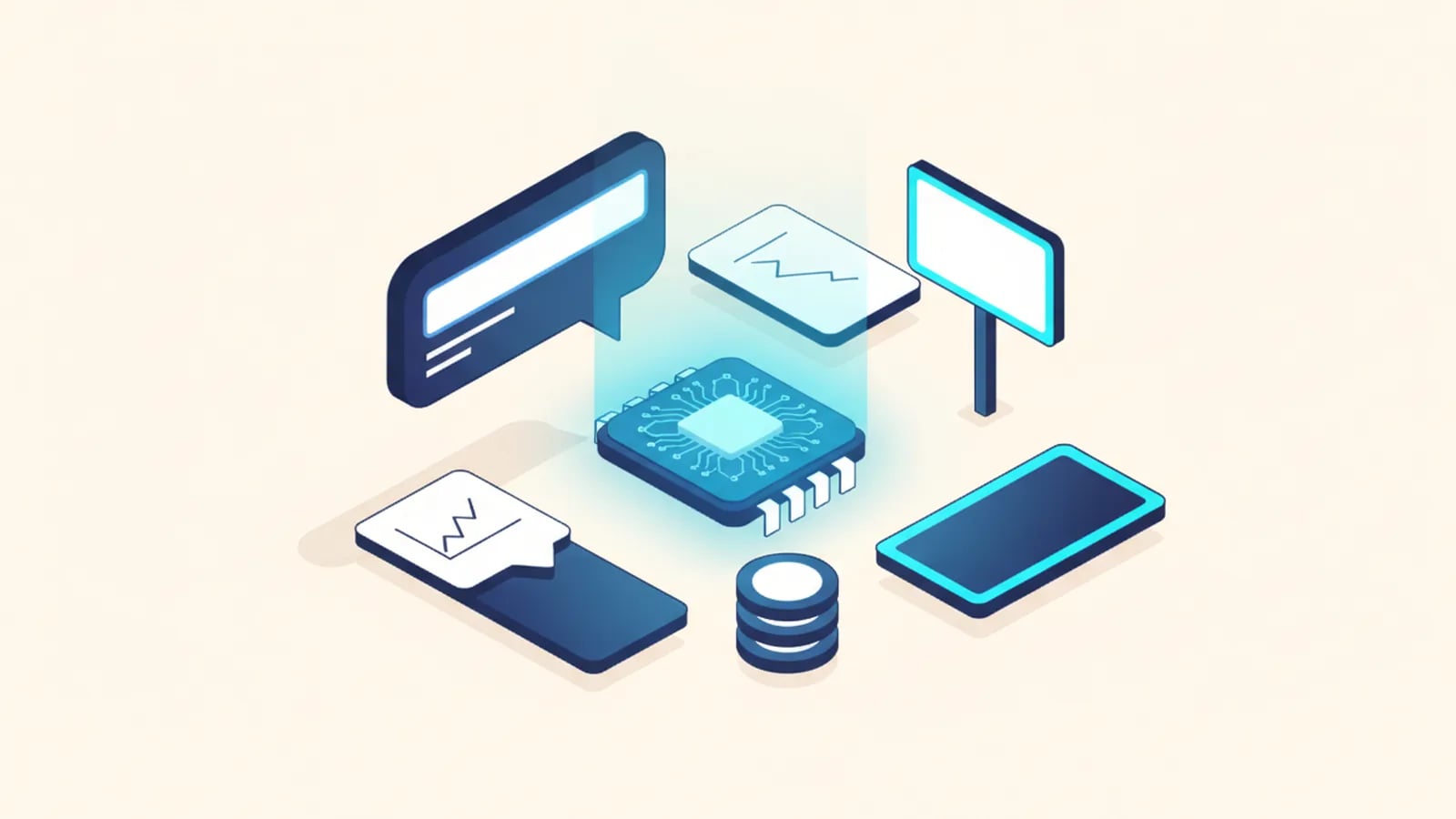
Describe
Tell an AI tool what you want in plain language: "Build a form that collects delivery addresses and validates postal codes."
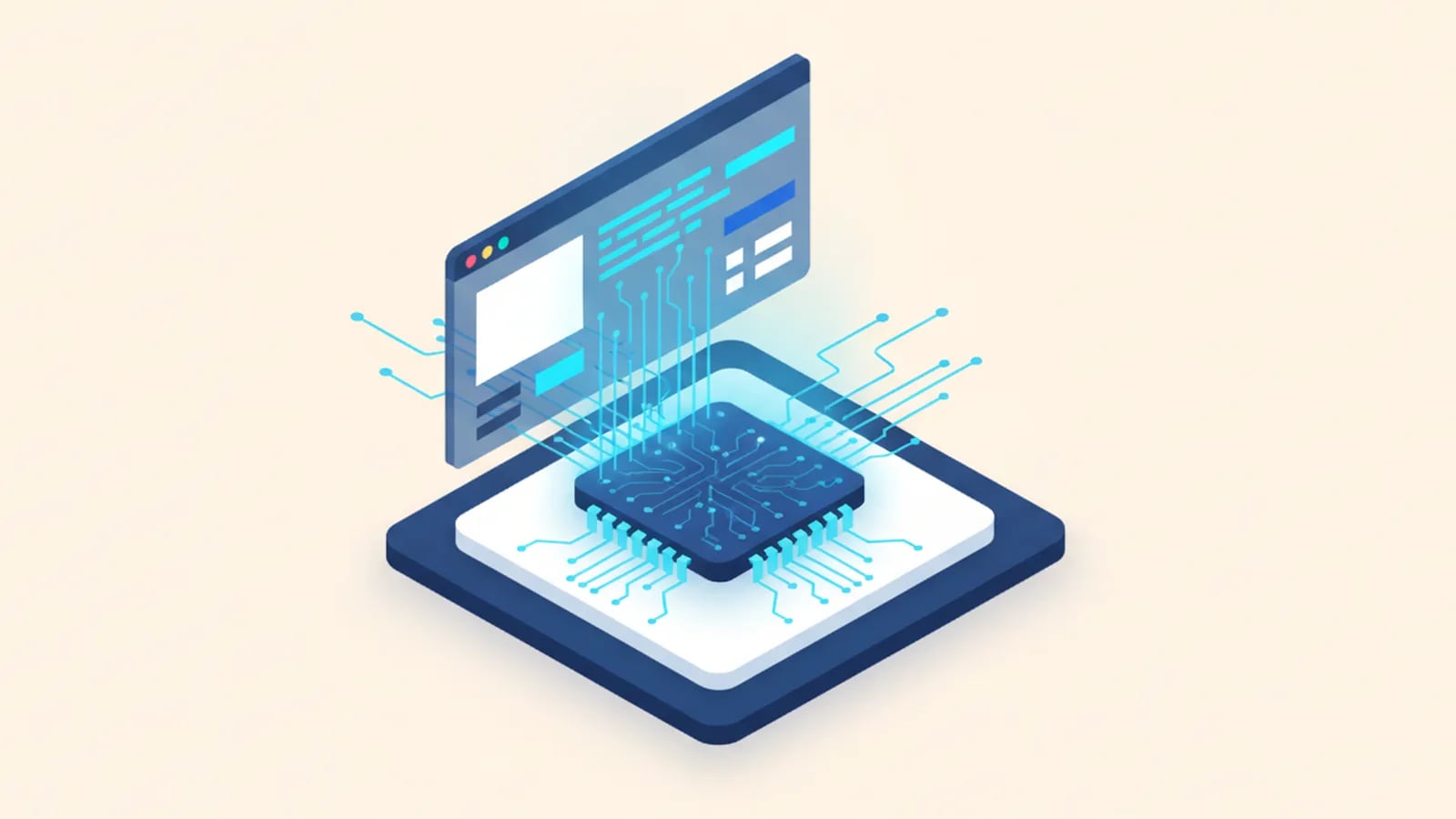
Generate
A large language model (LLM) writes the code, often hundreds of lines in seconds.
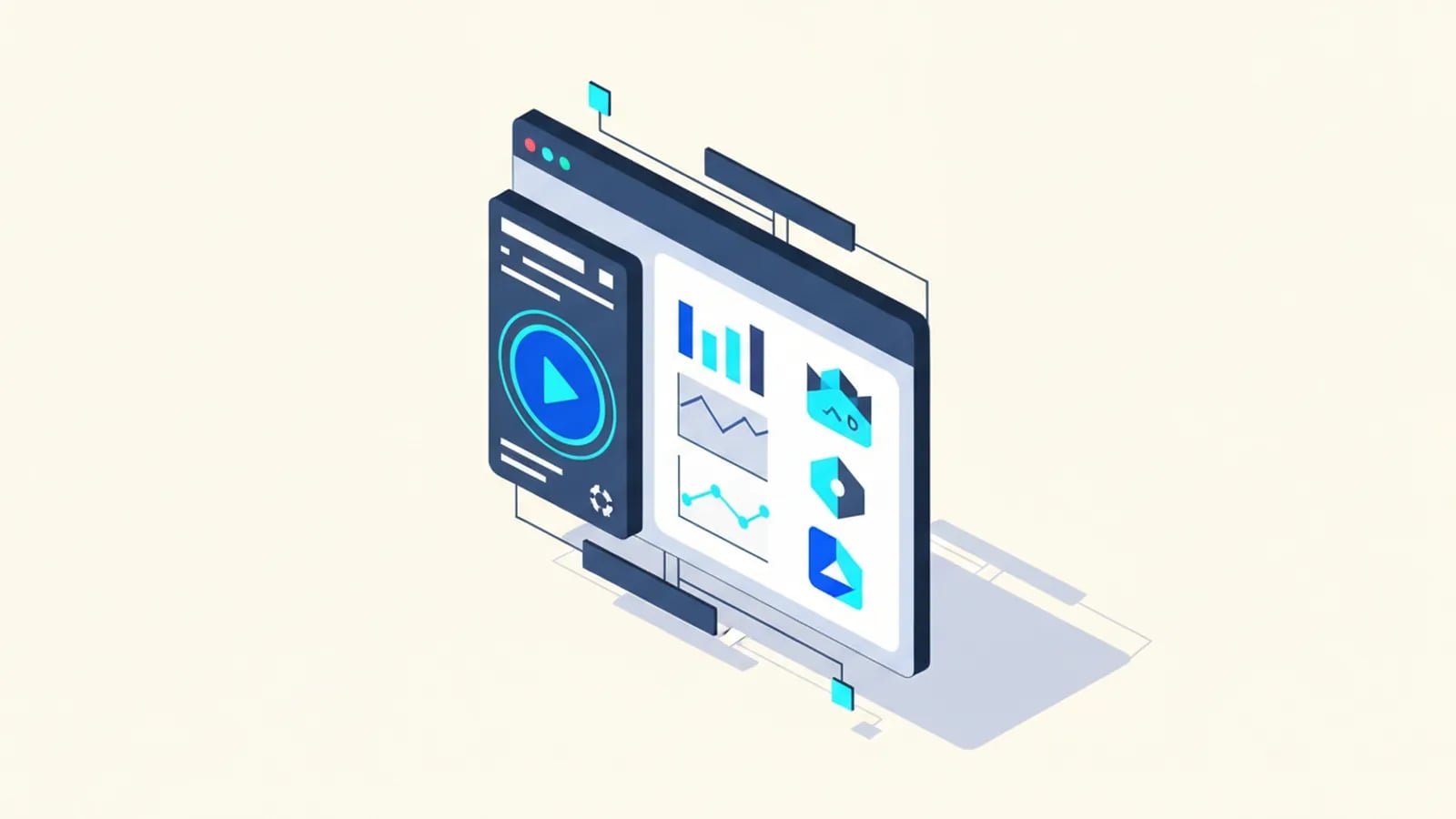
Run
Execute the result and look at what it does, not at how it is written.
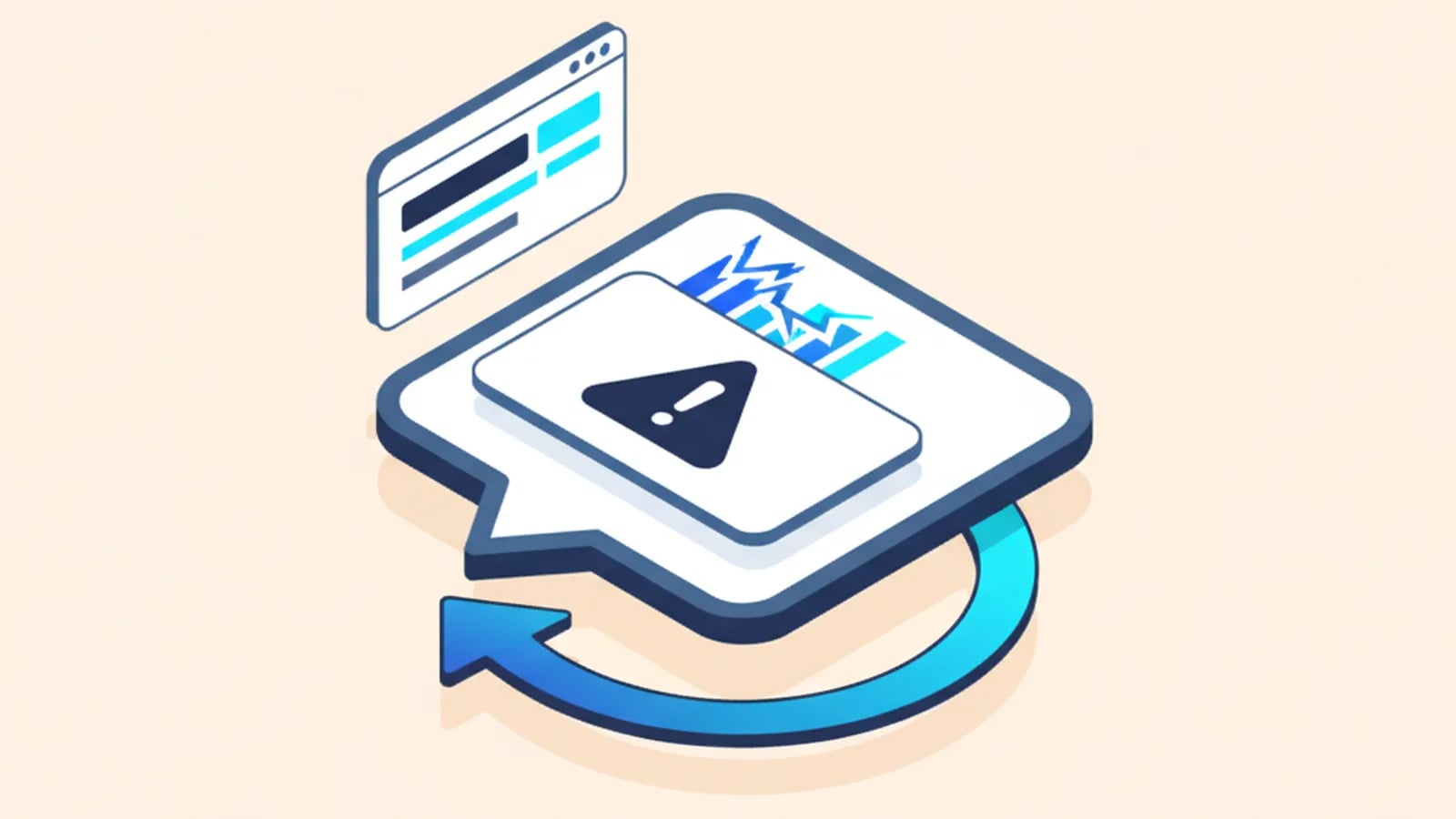
React
Describe what is wrong, or paste the error message straight back into the chat.

Repeat
Loop continues until the software behaves the way you wanted.
The tools span a spectrum. Chat assistants (Claude, ChatGPT) generate code you paste elsewhere. AI-native editors (Cursor, Windsurf) and coding agents (Claude Code) write directly into a codebase. App builders (Lovable, Replit, Bolt) go further and handle hosting and databases too. Adoption is no longer niche: 84% of developers in the 2025 Stack Overflow Developer Survey were using or planning to use AI tools, and half of professional developers already use them daily.
What makes it vibe coding is not the tool. It is the decision not to read the output. The human steers by results: does it run, does it look right, does it feel done. That decision is the source of the practice's speed and of its central risk.
Vibe coding vs. AI-assisted vs. traditional development
Who writes the code
- Pure vibe coding
- AI
- AI-assisted development
- AI, directed by engineers
- Traditional development
- Engineers
Who reads the code
- Pure vibe coding
- Nobody
- AI-assisted development
- Senior engineers, every line
- Traditional development
- Authors and peer reviewers
Typical timeline
- Pure vibe coding
- Hours to days
- AI-assisted development
- Weeks
- Traditional development
- Months to quarters
Relative cost
- Pure vibe coding
- Lowest
- AI-assisted development
- Low to mid
- Traditional development
- Highest
Tests & security checks
- Pure vibe coding
- Rare
- AI-assisted development
- Systematic
- Traditional development
- Systematic
Maintainability
- Pure vibe coding
- Poor
- AI-assisted development
- Good
- Traditional development
- Good
Best for
- Pure vibe coding
- Prototypes, throwaway tools
- AI-assisted development
- Production business software
- Traditional development
- Safety-critical or extreme-scale
| Pure vibe coding | AI-assisted development | Traditional development | |
|---|---|---|---|
| Who writes the code | AI | AI, directed by engineers | Engineers |
| Who reads the code | Nobody | Senior engineers, every line | Authors and peer reviewers |
| Typical timeline | Hours to days | Weeks | Months to quarters |
| Relative cost | Lowest | Low to mid | Highest |
| Tests & security checks | Rare | Systematic | Systematic |
| Maintainability | Poor | Good | Good |
| Best for | Prototypes, throwaway tools | Production business software | Safety-critical or extreme-scale |
AI-assisted development is the middle path, and the discipline is the product. The AI does the typing; engineers own the architecture, read every line, write the tests, and sign their names to the release.
These three terms get blurred in sales copy. An honest reading of the comparison above cuts both ways: pure vibe coding wins on raw speed, and for some jobs (covered below) that is exactly right. Traditional development still earns its cost where regulation or scale demands it.
A concrete example makes the difference visible. Say a freight forwarder needs a quoting tool that pulls carrier rates and produces a branded PDF. Vibe-coded, it exists by Friday, and stores the carrier API key in the page source. Built traditionally, it arrives in four months at agency day rates. Built AI-assisted, it ships in about three weeks: the AI generated most of the code, an engineer caught the exposed key in review, and the test suite proves the rate math.
We compare real project timelines in vibecoding vs. traditional development, and explain why the review step changes everything in human review of AI-generated code.
Five failure modes of pure vibe coding
If nobody reads the code, nobody catches what is wrong with it.
Security
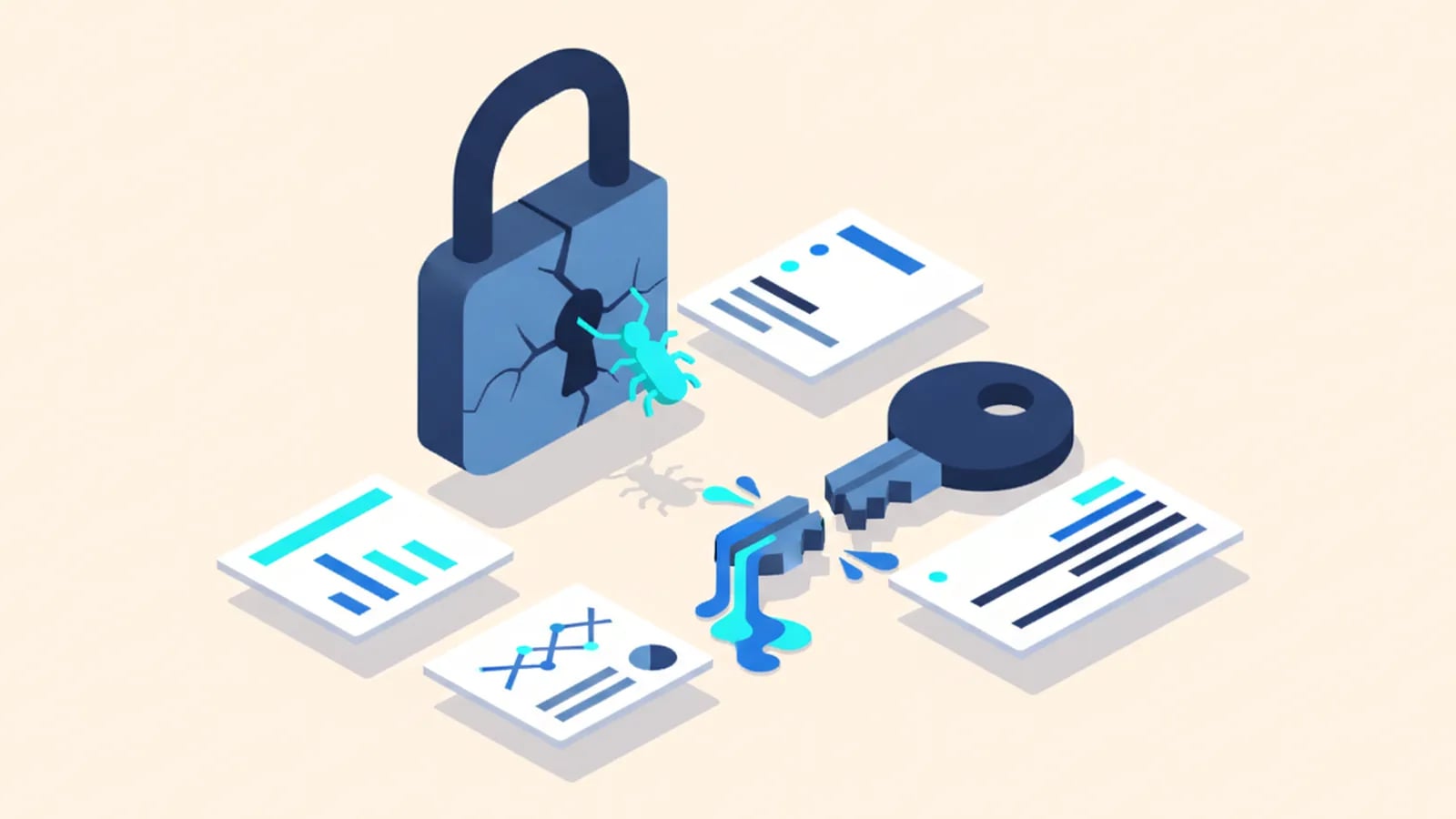
LLMs learned from public code, including its bad habits: hardcoded credentials, missing input validation, injection-prone queries. Veracode's 2025 GenAI Code Security Report found that AI models introduced OWASP Top 10 vulnerabilities in 45% of its test cases.
Is AI-generated code safe?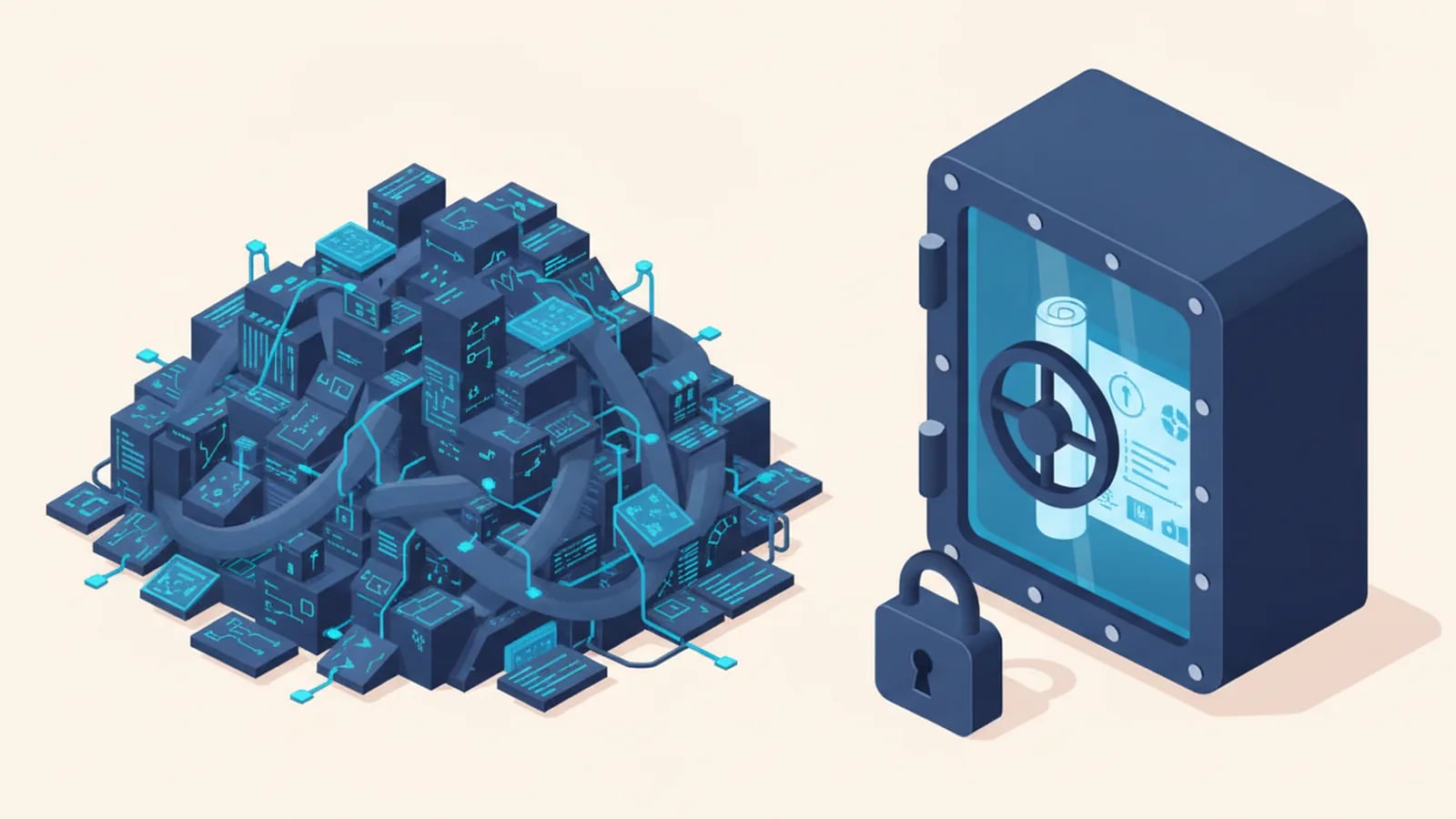
Maintainability
A vibe-coded app has no one who understands it, not even its "author." Every change becomes another prompt gamble against a codebase nobody can read.
The debugging wall
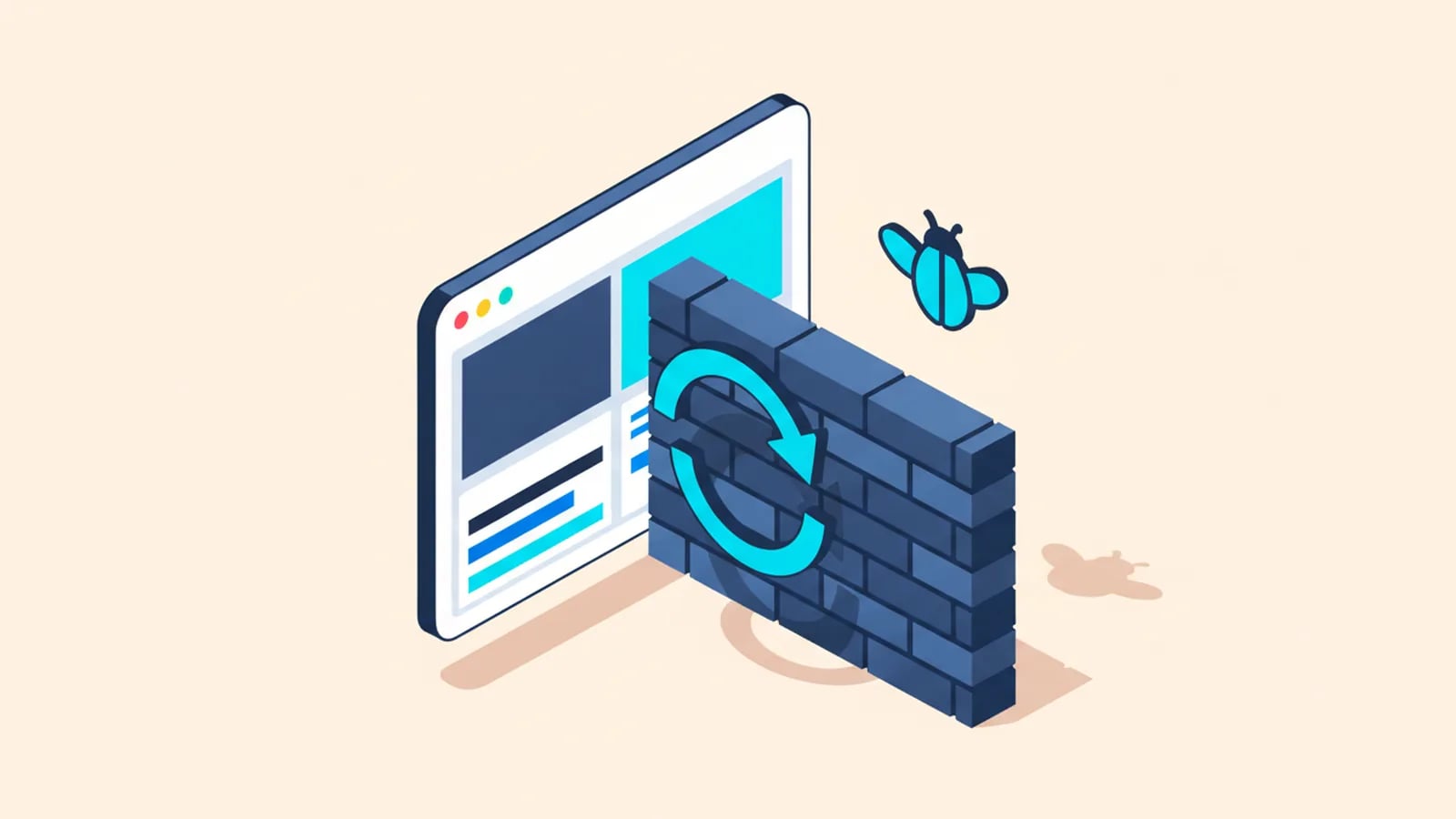
Day one produces a working demo. Week three produces a bug the model keeps "fixing" in circles. This is where most pure vibe coding projects quietly die.
Compliance
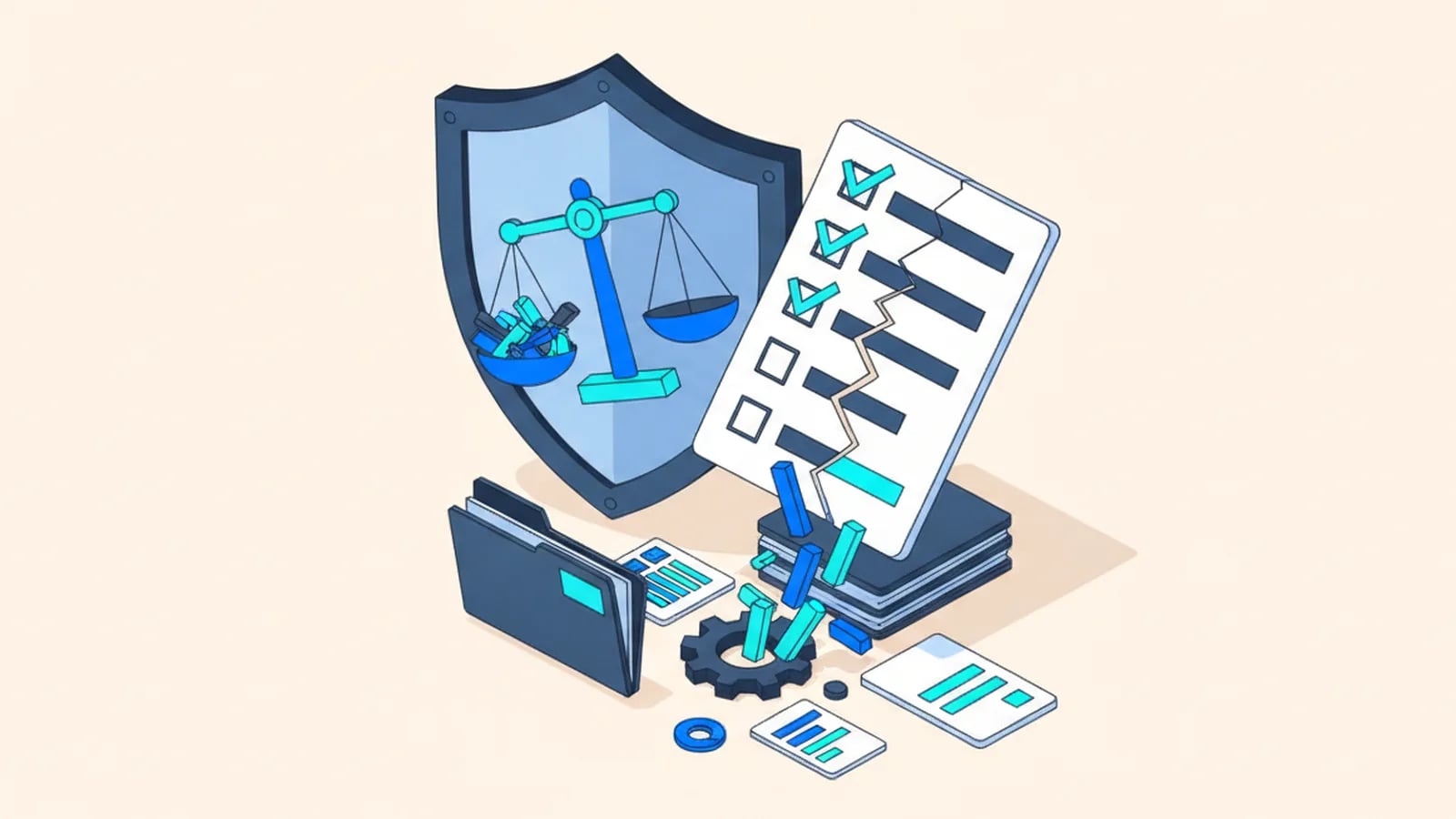
GDPR, PCI DSS, and SOC 2 obligations apply regardless of who, or what, wrote the code. Handling customer data or payments in an unreviewed codebase is a liability.
AI development and compliance
Scale
Code that behaves at five users is unproven at five thousand. Connection pools, race conditions, and query performance never surface in a demo.
Can AI build enterprise software?None of this is an argument against AI-written code. It is an argument against unreviewed code, a distinction the industry keeps collapsing, and the reason we publish myths about AI coding tested against real projects.
When Vibe Coding Is Brilliant
Used where its risks do not matter, vibe coding is the best thing to happen to software economics in decades.
- Prototypes and demos. A clickable version of an idea in an afternoon beats a 40-page specification. Vibe-code it, show it, throw it away.
- MVP validation. Founders can put a working product in front of real users in weeks. Discipline enters later, once demand is proven. That is the model behind our MVP development with AI offer. A quarter of Y Combinator's Winter 2025 batch shipped codebases that were about 95% AI-generated (TechCrunch, 2025).
- Internal tools with a small blast radius. A meeting-room dashboard or CSV formatter that fails harmlessly is a fine vibe coding target. The moment a tool touches operations data, it graduates into custom internal tools territory.
- Automations and one-off scripts. Renaming a thousand files or drafting a report template: jobs a small business would once never pay a developer for. This is precisely where custom software for small business stopped being a luxury.
The rule of thumb: low stakes, short life, small blast radius: vibe away. The moment money, customer data, or daily operations depend on the result, you need the disciplined version.
There is also a strategic use most coverage misses: vibe coding as a specification tool. A rough vibe-coded prototype communicates requirements better than any document, because stakeholders react to something they can click. We regularly receive prototypes built by clients themselves and treat them as the starting brief: the fastest scoping conversations we have.
The speed of vibe coding, without the gamble
We keep the speed and remove the "forget the code exists" part. Every project runs the same pipeline.
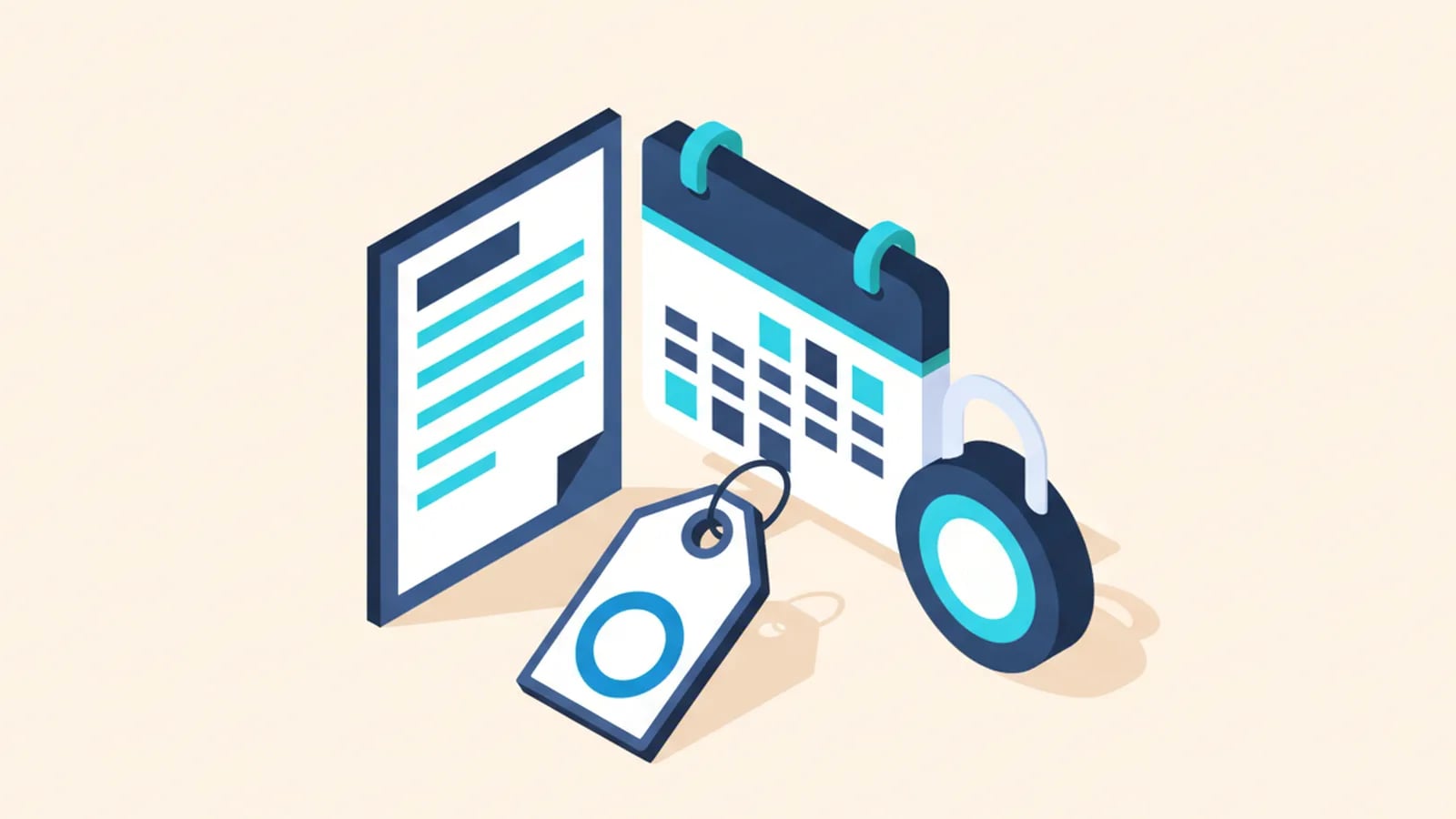
Fixed written scope
You approve features, price, and delivery date before any code is generated.
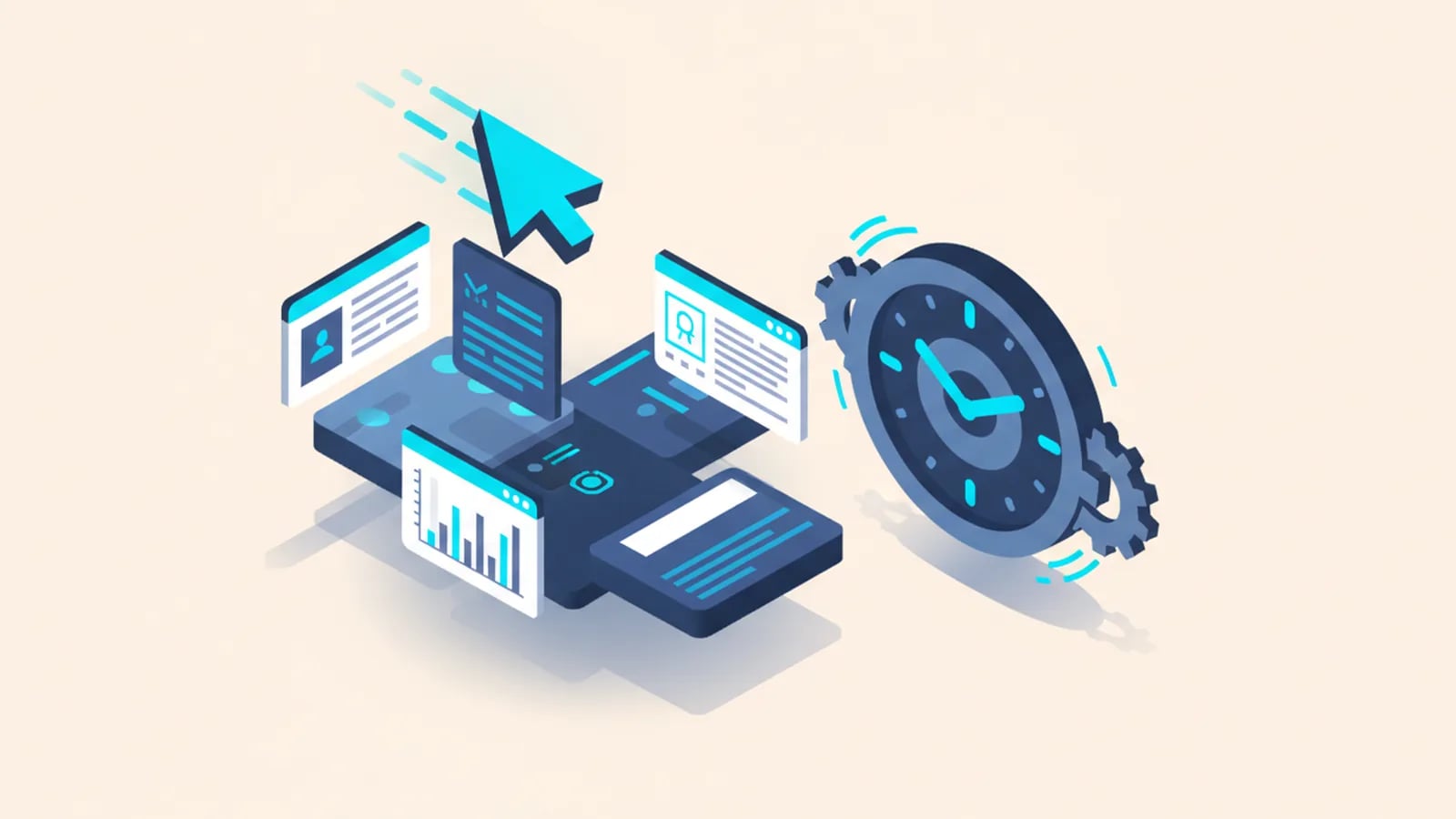
AI-assisted build
Engineers direct AI coding tools against that scope. Months compress into weeks.

Senior review
A human engineer reads, questions, and corrects every line. Nothing ships on vibes.
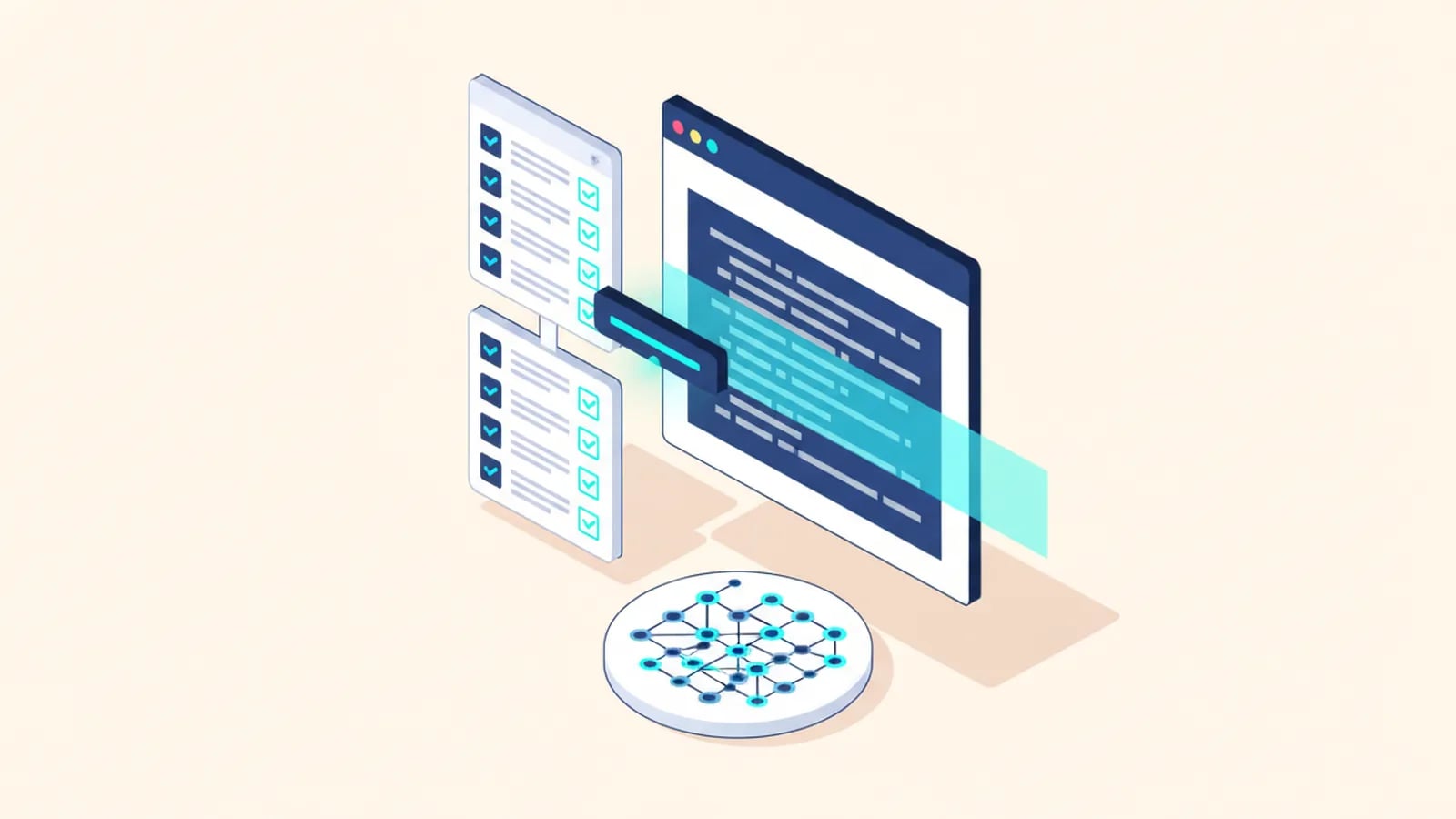
Automated verification
Test suites, static security analysis, and dependency audits run on every build.
Handover, full ownership
You receive the repository, documentation, and deployment setup. No lock-in.
Because Globaprom grew out of a 20-year translation business, everything we build is multilingual-ready from day one: locale-aware architecture that pure vibe coding never thinks to include. That matters when the software runs cross-border: custom logistics software generating customs documents in three languages, or custom manufacturing software serving mixed-language plant crews.
If the timeline question is what brought you here, the short answer is weeks, not quarters, with the evidence in how long custom software takes. For the full picture of what we build and what it costs, see our AI-assisted development services.
Go Deeper: Vibe Coding and AI Development Guides
Each guide answers one question buyers actually ask:
- Vibecoding vs. traditional development: speed, cost, and quality compared
- AI software development cost: 2026 price breakdown
- Is AI-generated code safe? Security review for vibecoded software
- AI development and compliance: GDPR, SOC 2, and PCI DSS in practice
- How long does custom software take? Weeks, not quarters, with evidence
- MVP development with AI: validate your product in 30 days
- Can AI build enterprise software? Where vibecoding scales, and where it doesn't
- 10 myths about AI coding, tested against real projects
- How to vibe code, step by step: a worked example
- Multilingual-ready software development: i18n built in from day one
Frequently Asked Questions About Vibe Coding
What is vibe coding in simple terms?
Vibe coding means building software by telling an AI model what you want in plain language and accepting the code it generates without line-by-line review. You judge the result by its behavior (it works or it does not) rather than by reading the code.
What does "vibe coding" mean and who coined it?
AI researcher Andrej Karpathy, a co-founder of OpenAI, coined the term in a February 2025 post on X. He described a way of coding where you "fully give in to the vibes" and forget the code exists. Collins Dictionary later named it 2025 Word of the Year.
Is vibe coding the same as AI-assisted development?
No. Both use AI to write code. Vibe coding accepts the output unreviewed; AI-assisted development keeps engineers accountable for every line through review, testing, and security checks. Globaprom practices the second: the speed of AI generation, with senior engineers verifying everything that ships.
Is AI-generated code safe to use?
Not by default. Unreviewed AI code can contain security vulnerabilities, hardcoded credentials, and missing input validation. It becomes safe the way any code does: human review, automated security scanning, dependency audits, and testing before release. Read our full guide: is AI-generated code safe?
Can AI build production software?
Yes, with engineering discipline around it. AI can generate most of a production application's code, but architecture, review, testing, security, and maintenance still need experienced engineers. Pure vibe coding stalls at the prototype stage; disciplined AI-assisted development carries software through to production.
How much does vibe-coded custom software cost?
Typically far less than a traditional agency build, because AI compresses the writing while humans keep the review. Globaprom quotes fixed prices and delivers most projects in weeks. See real 2026 ranges in our AI software development cost breakdown.
Get the Speed Without the Gamble
Describe the tool, automation, or application you need. We reply with a fixed scope, a fixed price, and a delivery date measured in weeks, every line reviewed by a senior engineer before it reaches you.