Custom Software for Small Business
Custom software used to mean six-figure quotes and six-month timelines. Not anymore. Globaprom builds fixed-price web apps, workflow automations and internal tools for small and medium-sized businesses (SMBs) with AI-assisted development. Most builds ship in two to six weeks, at a price you approve before we write a line of code, and the software is yours to keep.
Why Small Businesses Settle for Spreadsheets and Almost-Right SaaS
Most small businesses run their core operations on spreadsheets and off-the-shelf software that almost fits. Neither works especially well. Custom development just looked out of reach.
A spreadsheet starts as a quick fix. Three years later it holds your quoting logic, your job schedule or your inventory counts, and one broken formula stops the business.
Software as a service (SaaS) fills the other gaps, one subscription at a time. Each tool covers most of a process and forces a workaround for the rest, and the subscriptions pile up.
Vendors build for the average customer. In the US alone that average is drawn from 33 million small businesses, 99.9% of all US firms (US Small Business Administration, Office of Advocacy, 2023). Your business isn't the average, and the edge cases where their product fails are exactly where your process lives.
Custom software fixes that last stretch. Until recently only larger companies could afford it. AI-assisted development changed the price, and the spreadsheet that hurts most is a good place to start.
What We Build: Booking Tools, Quoting Systems, Client Portals, Workflow Automations
We build the one tool your business is missing. Not a platform or a suite: a single, well-scoped application that removes a daily headache. What small businesses ask us for most:
- Booking and scheduling tools. Appointments, deposits, reminders and staff routing under your own brand, with no per-booking fees. More on booking and scheduling software for small business.
- Quoting and invoicing systems. Price rules, templates, approvals and follow-ups, including custom invoicing and quoting software that handles several currencies and languages by default.
- Client portals. A login page where customers check order status, download documents and submit requests, instead of emailing you for each one.
- Customer relationship management (CRM) tools. A right-sized custom CRM for small business, shaped around your one sales process rather than a hundred features you'll never open.
- Workflow automations. Workflow automation for the repetitive work between your tools: data entry, document assembly, scheduled reports and notifications. The processes worth automating first are listed in small business workflow automation.
- Spreadsheet replacements. We rebuild the load-bearing spreadsheet as a proper multi-user web app with permissions and history. How the migration works: replace Excel with a web app.
Every build includes user accounts, permissions, a responsive interface that works on phones, and the full source code. You own the software outright, with no seats to license and no vendor to outgrow. The full catalog is on our custom software development services page.
What Custom Software Really Costs a Small Business
A well-scoped small-business tool now takes weeks of development, not months. That's why the price came down.
Traditional quotes were high for a simple reason. Agencies bill by the hour, and hand-written software takes a lot of hours. Rate listings on Clutch (2026) put most US development companies between $50 and $99 per hour, with senior specialists charging more. Multiply that by the hundreds of hours in even a modest build, add project management, and a simple booking tool lands at a price no small business signs.
AI-assisted development, also called vibecoding, cuts the hours. Our engineers direct AI coding tools to generate the software, then review, test and harden every part of it. Judgment, architecture and accountability stay with people. You get the same production-grade tool for a fraction of the traditional labor cost.
What still moves your price:
- Scope. How many screens, user roles and business rules.
- Integrations. Each connected system (accounting, payments, calendars) adds scoped work.
- Data migration. Moving years of spreadsheet or legacy data into the new tool.
- Languages. Multilingual interfaces add scope, though less with us than elsewhere: every build we ship sits on the same multilingual software foundation.
Real 2026 price ranges by project type are in affordable custom software, and the timeline evidence is in how long custom software takes. Short version: two to six weeks for most small-business builds.
Fixed Scope, Fixed Price: Budgeting a Build Without an IT Department
You don't need an IT department to commission software. You need three answers before you commit: what it does, what it costs and when it arrives. You get all three in writing before development starts.
Hourly billing puts the budget risk on you. If the project runs long, you pay for the overrun, with no way to judge whether the hours were needed. Without technical staff, that's a contract you can't manage.
A fixed price moves that risk to us. We define the tool together in plain language: screens, users, rules, integrations. You approve a price and a delivery date. If we estimated wrong, that's our cost. If you want a change mid-project, we quote it separately and you decide before anything is billed.
The process is built for owners and office managers, not developers:
- Scoping call. You describe the process in your own words. We ask questions and draft the scope.
- Fixed quote. One document: features, price, delivery date.
- Build with check-ins. You see working software during the build, not just at the end.
- Handover. Training for your team, documentation and the complete source code.
How we review AI-written code before it reaches you is on how we scope, build, and review. For a plain-English walkthrough of the whole process, read small business software development.
Custom vs. Per-Seat SaaS: The Three-Year Cost Comparison
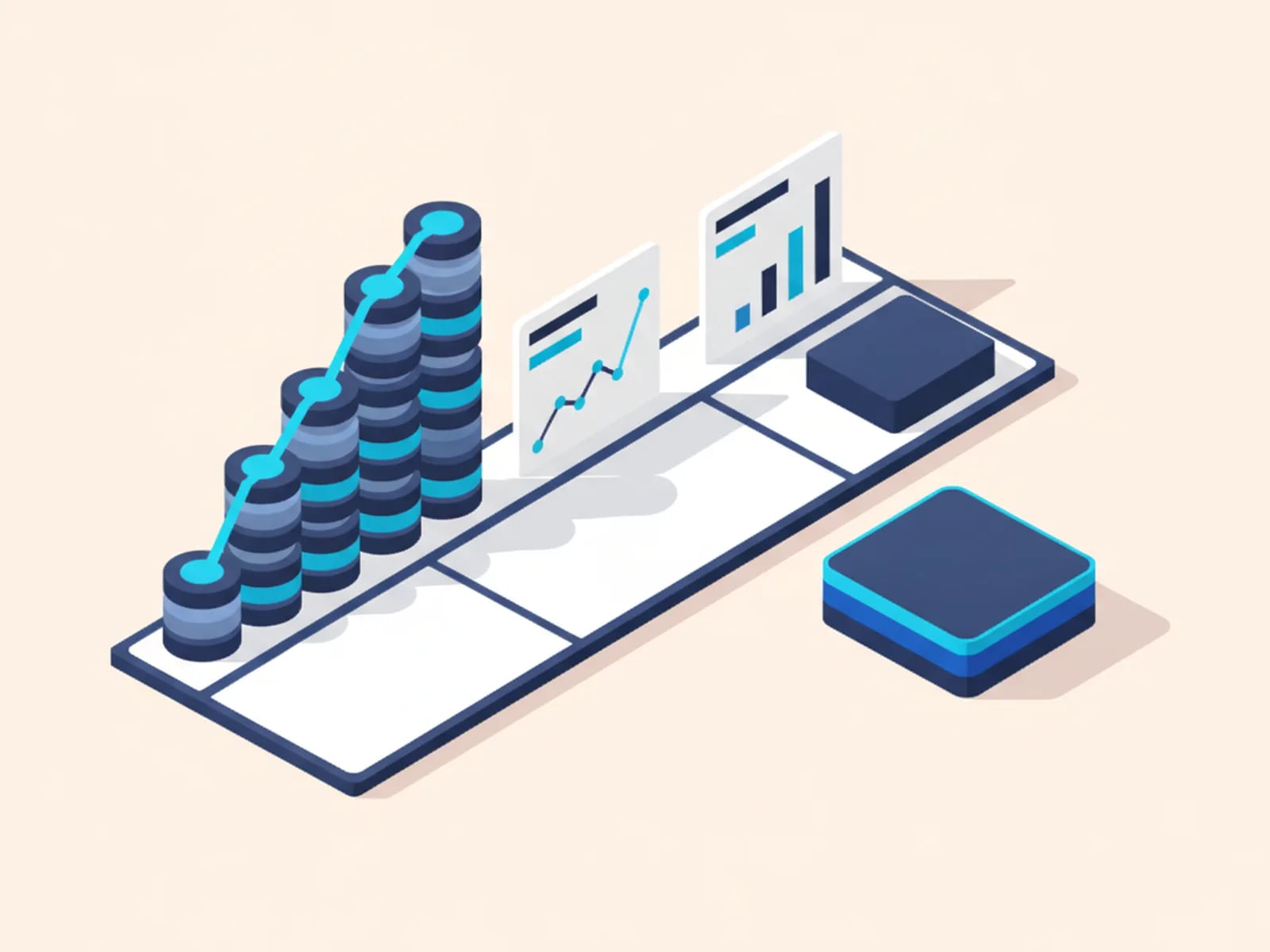
Compare total cost of ownership (TCO) over three years, not the price tag on day one. Over that horizon, custom now wins for many small businesses.
Per-seat pricing looks small each month and compounds fast. A worked example: a 10-person team on a tool priced at 50 US dollars per user per month pays 6,000 dollars a year, or 18,000 dollars over three years. That buys access, not ownership. Add a second tool to patch the first one's gaps, plus the hours your team spends on workarounds, and the real TCO climbs higher. SMB software spending keeps rising year over year.
A custom build flips the curve. You pay once for a tool scoped to your process. After that you pay for hosting and, if you want one, a care plan, typically a small fraction of equivalent subscription fees. The three-year TCO of an AI-assisted build often lands below three years of the SaaS stack it replaces, and the gap widens in year four.
Custom isn't always the answer, and we'll tell you when it isn't:
- Choose SaaS when a standard tool genuinely fits your process, when you need it tomorrow, or when the vendor's ecosystem (marketplaces, hardware) is the point.
- Consider low-code platforms for internal experiments a tech-comfortable employee can maintain, keeping their own per-seat pricing and customization limits in mind.
- Choose custom when workarounds cost real hours, when per-seat fees scale against you, when the process is your competitive edge, or when off-the-shelf tools fail on your languages, integrations or edge cases.
Not sure yet? We also scope a minimum viable product (MVP): the smallest tool that proves the value, extended only once it earns its keep.
Integrations for Small-Business Stacks: QuickBooks, Stripe, Shopify, Google Workspace
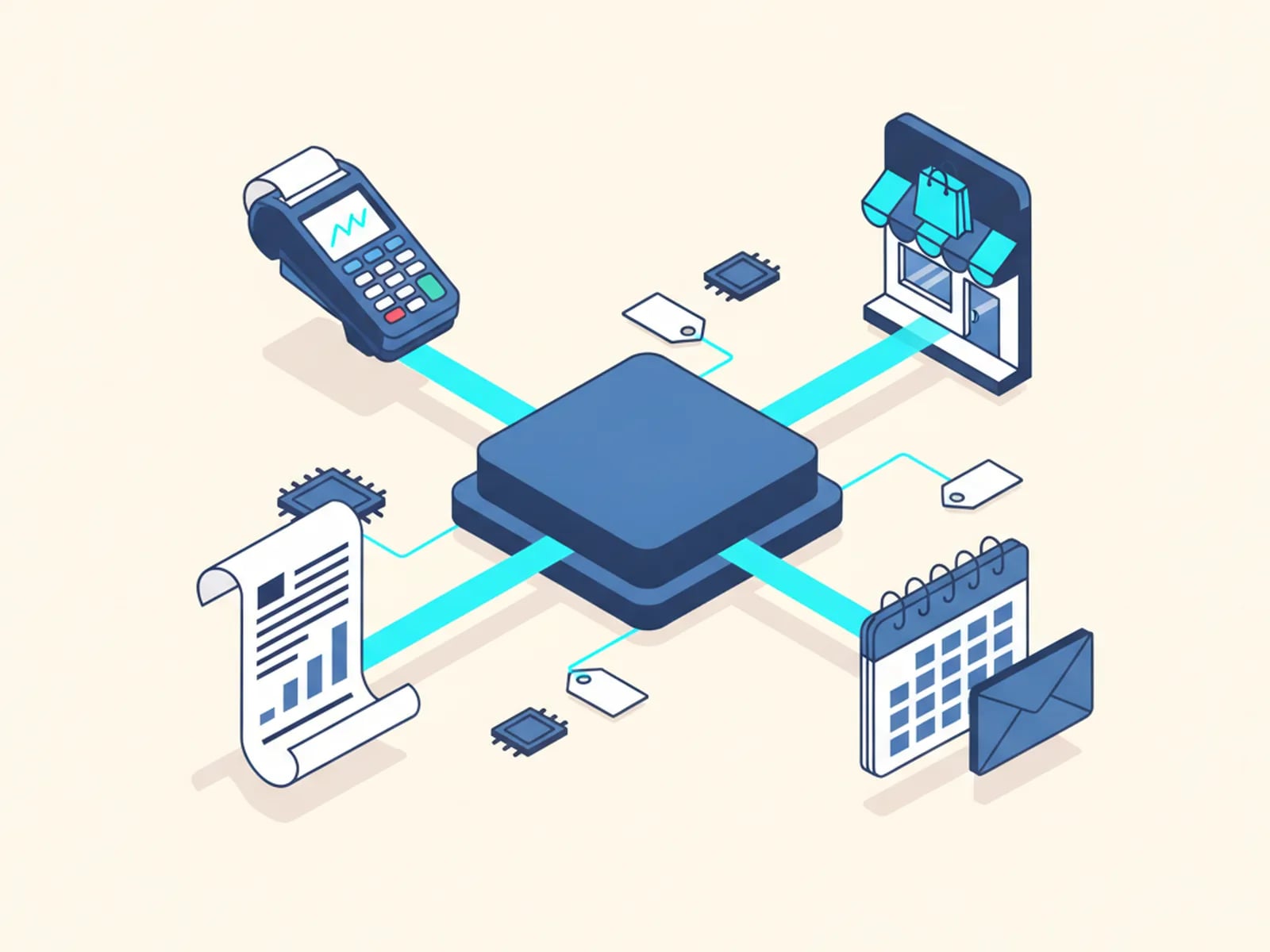
A custom tool has to join your stack, not replace it. We connect every build to the systems small businesses already run on, through their official application programming interfaces (APIs):
- QuickBooks (and Xero): invoices, payments and customer records sync automatically, with no re-keying between your tool and your books.
- Stripe: card payments, deposits and subscription billing inside your own booking or quoting flow.
- Shopify (and WooCommerce): orders, inventory and customer data moving between your store and your back-office tools.
- Google Workspace / Microsoft 365: the calendars, email, spreadsheets and shared drives your team lives in, plus single sign-on so nobody manages another password.
Every integration ships with error handling, retries and monitoring. When a sync fails, the tool tells you instead of failing silently. If an older system has no API, we build import and export bridges.
Sometimes the integration is the whole project. If each of your tools works but none of them talk to each other, a small piece of custom middleware, scoped and priced like any other build, can remove hours of copy-paste every week. That's workflow automation at its most cost-effective.
Small-Business Software Guides
Each guide covers one decision in depth, with costs, timelines and honest build-vs-buy advice:
- Small business software development: the process from scoping to handover when you have no IT department.
- Affordable custom software: real 2026 price ranges by project type.
- Custom CRM for small business: when Salesforce is too much and spreadsheets too little.
- Booking and scheduling software for small business: deposits, reminders and staff routing without per-booking fees.
- Small business workflow automation: 15 processes worth automating first.
- Custom invoicing and quoting software: multi-currency and multilingual by default.
- Replace Excel with a web app: rebuilding the spreadsheet your business depends on.
Frequently Asked Questions About Custom Software for Small Business
How much does custom software cost for a small business?
Less than three years of the subscriptions it replaces, in most cases. The price depends on scope, integrations, data migration, and languages, and it is fixed before development starts. AI-assisted development cuts the labor hours that made traditional agency quotes unaffordable. See our affordable custom software guide for 2026 ranges.
How long does it take to build custom software for a small business?
Two to six weeks for most small-business tools, from approved scope to production. A focused spreadsheet replacement or booking tool sits at the short end; multi-integration builds take longer. You receive a committed delivery date with your quote, and you see working software during the build, not only at the end.
Do we need an IT department to run custom software?
No. We deploy the tool, monitor it, and offer a monthly care plan covering hosting, updates, and small changes. Your team needs a browser, nothing more. You also receive the full source code and documentation, so any developer you hire later can take over without asking our permission.
Is custom software worth it compared to off-the-shelf SaaS?
It depends on fit. If a standard tool matches your process, buy it. Custom wins when workarounds eat staff hours, per-seat fees scale against you, or your process is your competitive edge. Compare three-year total cost of ownership, not monthly price tags. Ownership beats renting once the fit gap is real.
What happens when we need changes after delivery?
You choose between two routes. Care-plan clients send us the change, and small adjustments are included in the monthly plan; larger ones get a fixed quote first. Because you own the code, you can equally hand it to any developer. There is no lock-in and no mandatory maintenance contract.
Is AI-generated code reliable enough for a business-critical tool?
Yes, with the discipline we apply. Engineers review every line, run automated security scans and tests, and remain accountable for the result: the AI accelerates the typing, not the judgment. You get production-grade, documented code in your own repository. Our review pipeline is described in how we scope, build, and review.
Start with the task that eats the most hours
Tell us about the spreadsheet, workaround or missing tool that costs your team the most time. You get a fixed scope, a fixed price and a delivery date in weeks. No obligation, no hourly meter.