MVP Development Services for Startups
You need a working product in front of users and investors before the runway runs out. Globaprom builds fixed-price MVPs and v1 products with AI-assisted development. Most builds ship in two to six weeks, the price is agreed in writing before work starts, and the code sits in a repository you own from the first commit.
If this is your first build, start with what custom software development involves.

Why Startups Outgrow No-Code Before They Can Afford an Agency
No-code was probably the right first move. A Bubble prototype and a handful of Zapier automations will carry you through your first demos, and we tell founders to squeeze that stack for everything it offers.
Then you hit the ceiling. The data model can't express what your product actually does. Pages slow down as records pile up, and platform fees climb with every workspace you invite. A serious customer asks about exporting their data, or a security questionnaire lands, and the prototype has no good answers.
The traditional way out was an agency billing by the hour against an open-ended estimate. A modest v1 runs to hundreds of hours, so the quote lands in six figures and the timeline in quarters. Most pre-seed and seed-stage companies don't sign. They stall, stuck between a prototype that can't scale and a quote they can't afford.
AI-assisted development removes that plateau. Our engineers direct AI coding tools to produce the software, then review, test and harden every part before it reaches you. Fewer labor hours is what makes a fixed price and a delivery date in weeks possible. The method is explained on our vibecoding hub.
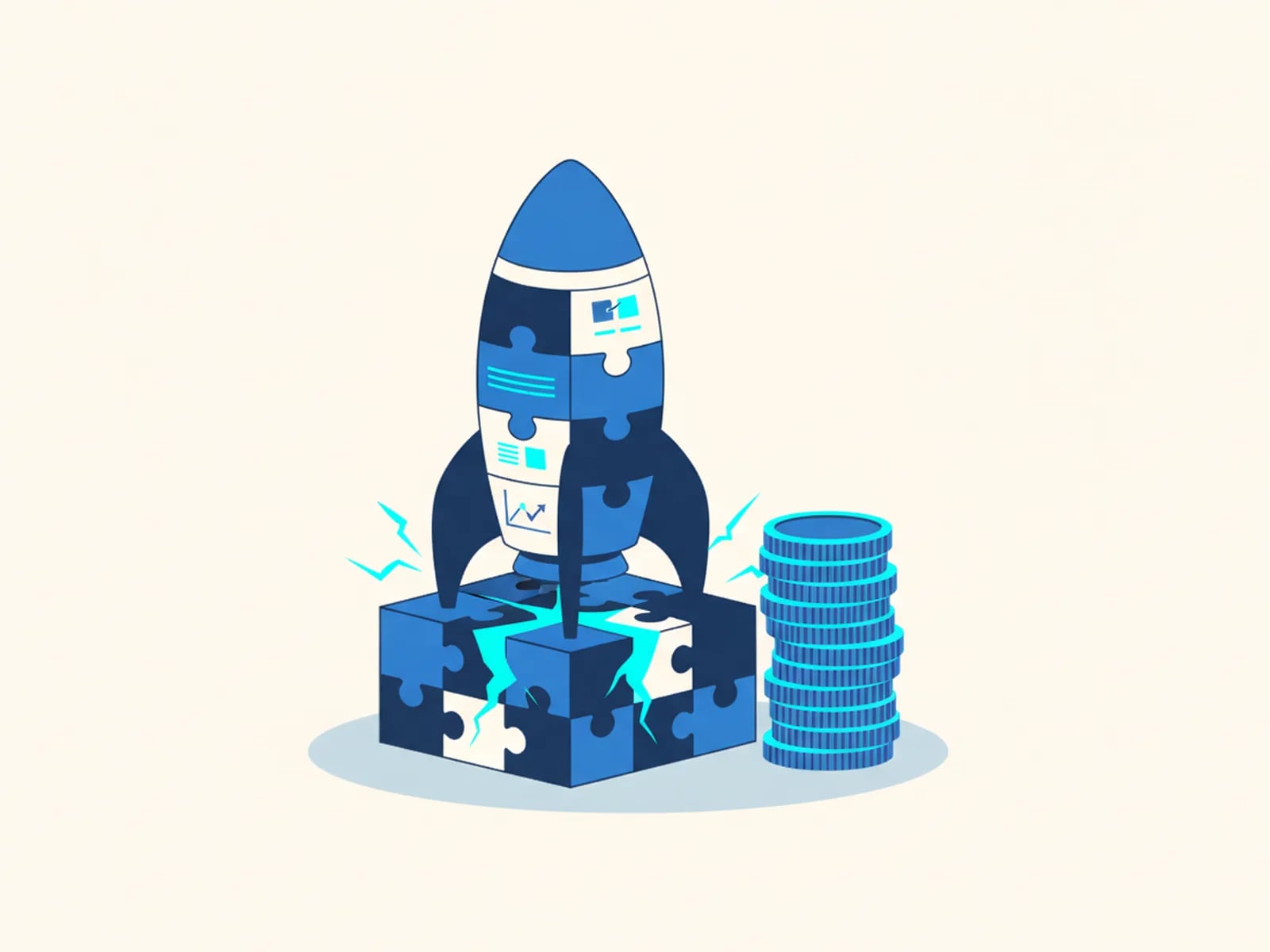
What We Build: MVPs, Investor Demos, Internal Ops Tools, Integrations
We build the version of your product that wins you the next conversation:
- MVPs. The smallest real product that tests your core assumption with real users: accounts, the one workflow that matters, and payments if your model needs them. MVP development with AI shows how we scope them.
- Investor demo builds. A working product for the pitch, running on real infrastructure rather than a clickable mockup, so technical questions in the room get real answers.
- Internal ops tools. Dashboards and admin panels, so your team of four isn't running operations out of spreadsheets. Post-revenue startups often follow the same playbook as our custom software for small business clients.
- Integrations. Your product connected to Stripe, your CRM or a partner's API, with error handling that holds up under real traffic.
Founders selling physical products get a dedicated practice: our custom ecommerce development team covers storefronts and marketplace plumbing. Everything ships with i18n from the first release rather than a retrofit later, as production code with documentation, through our custom software development services.
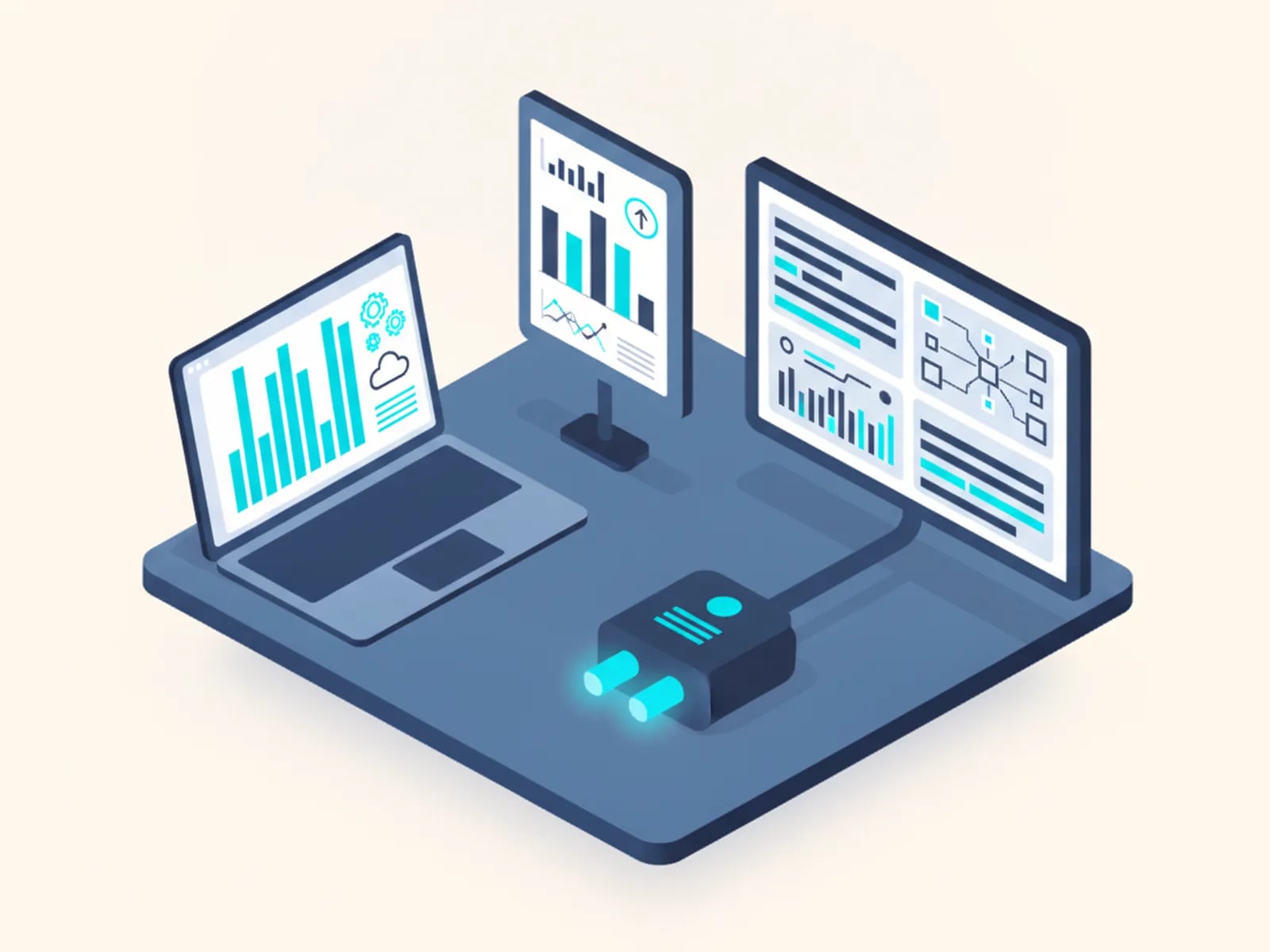
How We Scope a Fixed-Price MVP (and What We Tell You to Cut)
A good MVP scope is mostly a list of things you won't build yet. Founders arrive with twelve features. The product usually needs three, and the scoping call exists to find them.
What we usually cut from a first build:
- Native mobile apps. A responsive web app tests the same assumption for a fraction of the scope.
- Roles and permissions beyond "admin" and "user".
- Settings screens and preference panels nobody has asked for.
- Analytics dashboards before there's data worth charting.
- Single sign-on and other enterprise features before an enterprise customer requests them.
What stays is the single workflow that proves your value proposition, with user accounts around it and a payment path if revenue is the assumption you're testing. Every cut item goes on a written parked list and gets priced later as its own small addition, instead of padding the first quote.
The result is one document: features, price, delivery date. You approve it before we write code, so you know exactly what launch day costs.

Speed Preserves Runway
For a startup, build time is burn. Every month in development is a month of salaries and hosting bills paid before a single user can react. Running out of cash is the most cited reason startups fail, cited by 70% of the 431 failed VC-backed companies analyzed by CB Insights (2026).
That's the real case for AI-assisted delivery. Two to six weeks from approved scope to production means your runway buys learning cycles, not development quarters. A pivot after week four costs a fraction of a pivot after month eight.
Fast doesn't mean unreviewed. Engineers check every line, run security scans and stay accountable for the result. The evidence behind the timeline is in how long custom software takes.

You Own the Code, and Your Investors Will Check
At your next round, someone runs technical due diligence, and one of the first questions is who owns the intellectual property in the product. If the answer involves a no-code platform's terms of service or an agency that keeps the repository, the question becomes a finding.
We set you up for that moment from day one. The repository lives in your organization's account from the first commit, and the contract assigns all IP to your company. Documentation ships with the build, so the engineers you hire after the round take over without asking our permission. No mandatory maintenance contract, and no license fee on your own product.
Clean ownership is cheap to set up at the start. Retrofitting it under a diligence deadline is not.
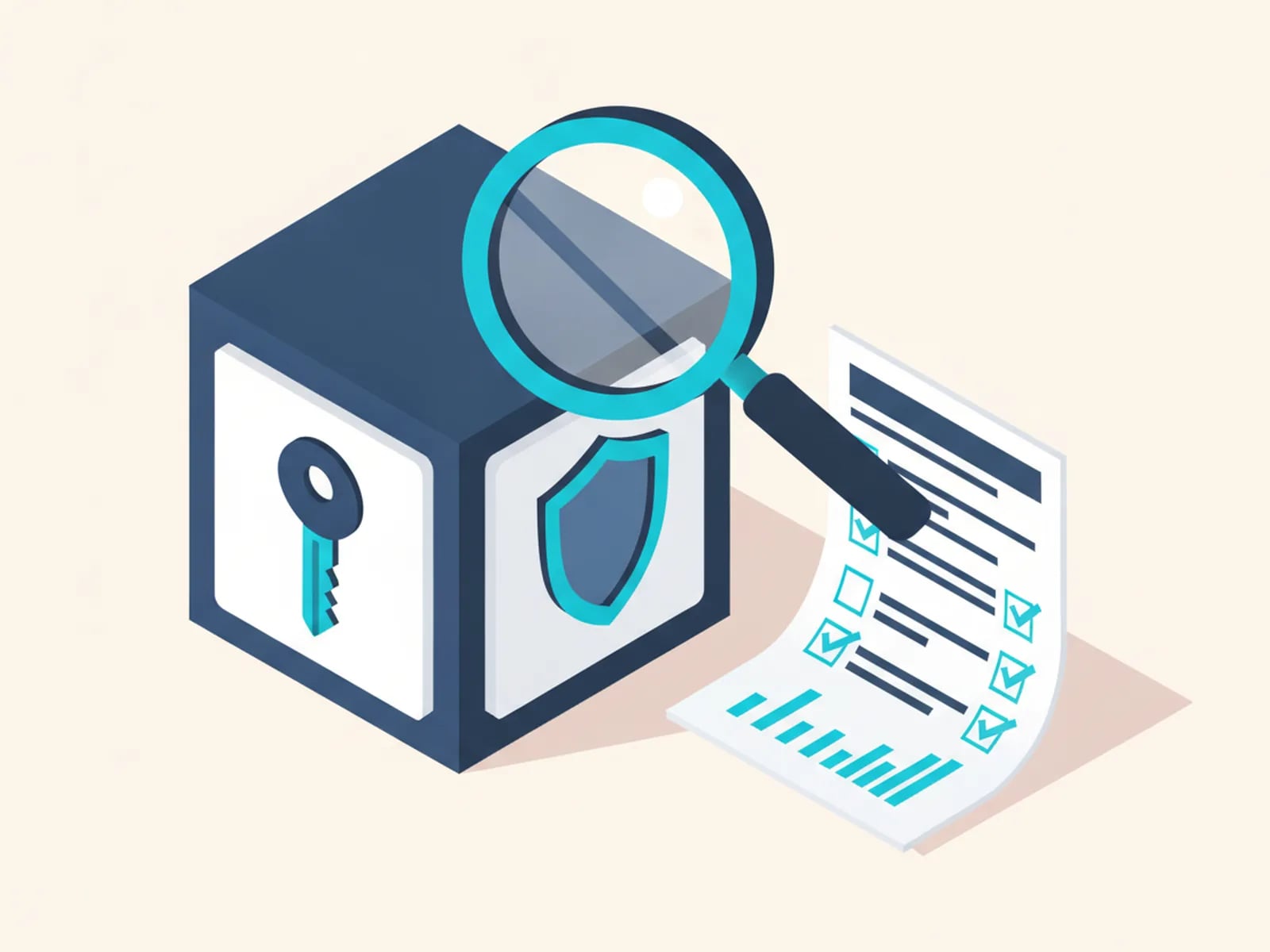
What a Startup Build Costs: Agency vs. Freelancers vs. AI-Assisted
At seed stage you have three realistic routes to startup software development. Here they are, compared honestly.
Traditional agency. Deep teams and mature process, billed by the hour against an estimate that can grow. The quality is usually there. The six-figure price and the quarter-long timeline are the problem at seed stage.
Freelancers. Lower hourly rates, real variance. You become the project manager and the code reviewer, and continuity depends on one person's availability. Some startups do well here. Many pay twice for the same feature.
AI-assisted build. A senior team directing AI coding tools under human review, at a fixed price agreed before work starts. You swap the open meter for a written scope and know the number before you commit any runway. Our packages spell out what moves a price up or down, instead of quoting by the hour.
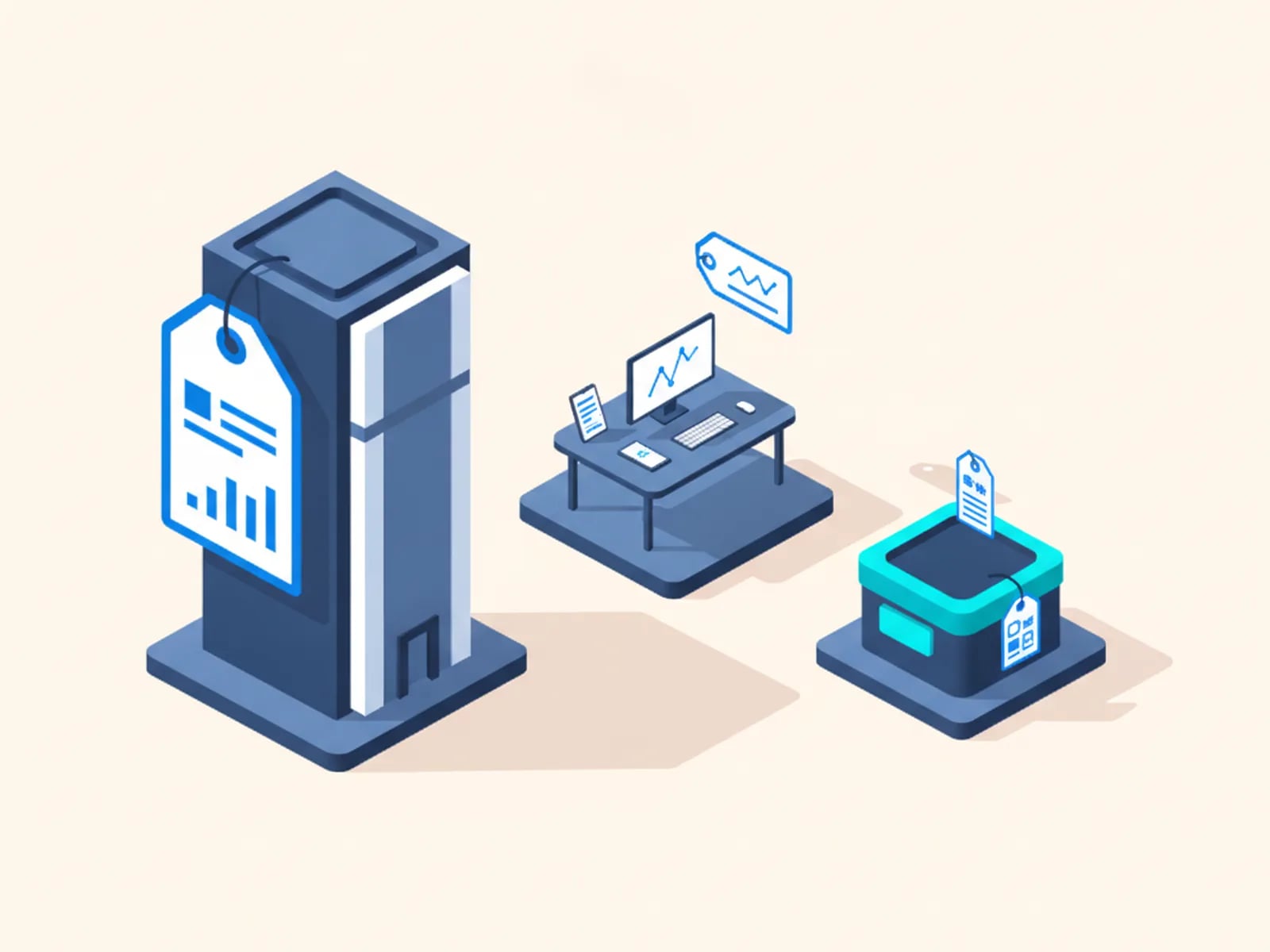
When Off-the-Shelf Is the Right Call
Not every startup problem deserves custom code, and it would be easy money for us to pretend otherwise.
Buy or subscribe when the software isn't your product. Your CRM, accounting, support desk and email tooling should almost always be standard SaaS, because building them spends runway on someone else's category. Inside our own builds we use proven services too (Stripe for payments and established auth providers, among others) instead of reinventing them.
Stay on no-code while you're testing demand rather than product. A landing page and a waitlist, with you doing the work by hand behind the scenes, will validate many ideas for close to nothing.
Build custom when the product itself is the differentiated part: the workflow, marketplace or data engine your pitch describes. That's the code investors are funding, and the code you should own. If that's where you are, tell us what you're building.
Frequently Asked Questions About Custom Software Development for Startups
Do we need a technical co-founder before commissioning an MVP?
No. We turn your product idea into a written technical scope during the scoping call, in plain language you can verify. You receive working software and full source code, documented, so a future technical hire or co-founder inherits an asset instead of a mystery.
Can you rebuild our no-code prototype as real software?
Yes, and it's one of our most common startup projects. The prototype becomes the specification: we map what your Bubble, Airtable, or Glide build actually does, keep the validated workflows, migrate the data, and ship a production web app you own.
How much does MVP development for a startup cost?
A fixed price agreed before work starts, scoped to the single workflow that proves your idea. The figure depends on screens, integrations, and data migration, not on hours burned. Our fixed-price packages explain what moves a number up or down.
Will your code pass investor technical due diligence?
Yes. Diligence checks who owns the code and how well it's built and documented. You hold the repository and full IP assignment from day one, the build ships with tests and documentation, and human engineers review everything the AI produces. Nothing depends on staying our client.
What happens when we raise and hire our own engineers?
They take over directly. The code lives in your repository with documentation and a handover session included, so an in-house team can extend it without us. Many clients keep a small care plan during the transition, but nothing obliges them to.
Ship before the next board meeting
Tell us the product and the assumption you need to test. You get a fixed scope, a fixed price and a delivery date in weeks, with the code in your own repository from the first commit.