PIM Software for Small Business
Change a product once and see it right everywhere: storefront, marketplaces and feeds, in every language you sell in. PIM software for small business gives your catalog one source of truth instead of spreadsheets that drift apart. Globaprom builds lean PIM tools shaped to your catalog, at a fixed price, delivered in weeks.
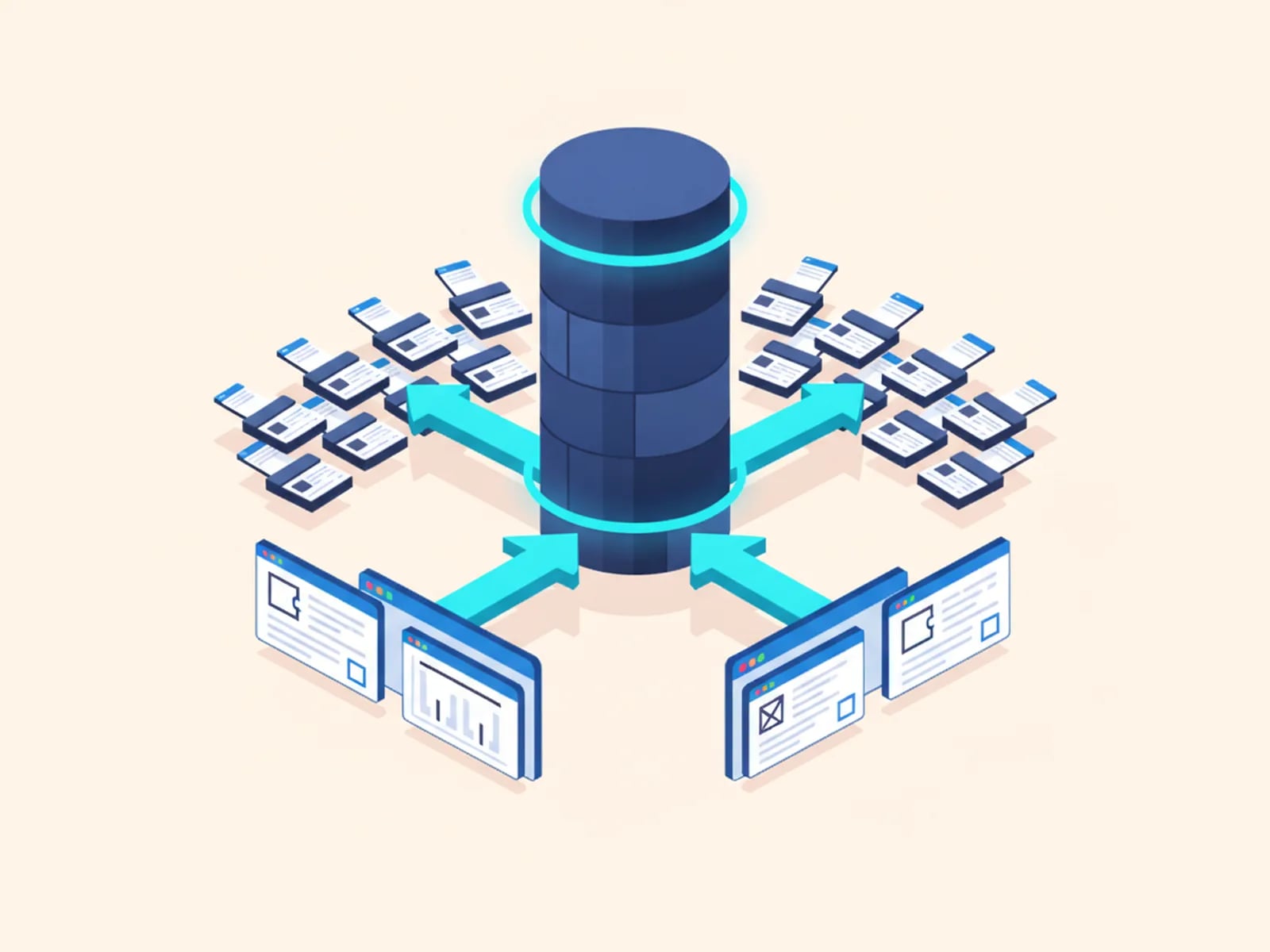
What PIM software does
Product information management (PIM) software keeps all of a product's data (descriptions, attributes, images, prices and translations) in one system and feeds it to every channel you sell on. You maintain a product once. Your storefront, your Amazon listing and your supplier feed all pull from that single source.
Small catalogs survive in spreadsheets for a while. A PIM earns its place when that stops scaling:
- One source of truth. Every attribute, description and image lives in one system, so a change made once appears everywhere.
- Per-language completeness. The PIM tracks which products are fully described in which languages, so nothing ships half-translated.
- Channel-ready exports. Storefront, marketplace and feed formats come from the same data instead of being copied and reformatted by hand.
- Data quality rules. Required fields, valid values and image standards are enforced, so bad data gets caught before a customer sees it.
Off-the-shelf PIM products exist, including open-source options such as Akeneo. They can be excellent, and they can also be heavier and pricier than a small business needs. So the real choice is between a full enterprise platform and a lean tool shaped to your catalog.
When does a small store need a PIM?
A small store needs a PIM when the catalog has outgrown the spreadsheet and stale product data starts costing real time or sales: wrong descriptions on a marketplace, missing translations on the storefront, an afternoon lost every week re-keying the same change in three places. Below that threshold, a spreadsheet is fine, and we'll tell you so.
Selling in several languages brings the threshold forward. A 2,000-product catalog in one language is 2,000 records. In four languages it's 8,000, and keeping them in sync by hand fails within a quarter. Prices change, descriptions update, and translations quietly go stale while the store keeps selling on old data. A PIM with a built-in translation workflow keeps every language current as the catalog moves.
Every market then sees the same current product, in its own language.
How we build a lean PIM for your catalog
We build the tool your catalog needs, not an enterprise platform with modules you'll never open. Scope, price and delivery date are fixed before we write code, you own the code, and there are no per-seat fees. AI-assisted development keeps the build to weeks, and our engineers review and test every part.
The translation workflow is no afterthought. We ran translation pipelines for our own operations for two decades before building them for clients, so new and changed content goes to translators and comes back with version tracking, not copy-paste.
A PIM rarely stands alone. It's the product source behind a headless commerce build and the catalog engine that makes cross-border ecommerce manageable, within our wider custom ecommerce development practice.
Frequently Asked Questions
When does a small business actually need a PIM?
When the catalog has outgrown a spreadsheet and stale, inconsistent product data is costing you real time or sales: wrong descriptions on marketplaces, missing translations, the same change re-keyed into several systems each week. Multilingual selling brings that point forward, because each extra language multiplies the records to keep in sync. Below that threshold, a spreadsheet is fine.
Do I need Akeneo, or a custom PIM?
It depends on your catalog. Off-the-shelf products such as Akeneo are capable, and sometimes the right call, but they can be heavier and pricier than a small business needs. We build lean PIM software shaped to your specific catalog and channels, so you pay for the tool you use rather than an enterprise platform of modules you never open. We will tell you honestly which fits.
How does a PIM keep translations in sync?
The PIM holds one source of product data and tracks completeness per language, so it knows exactly what is translated and what is not. New and changed content flows to translators through a workflow and returns with version tracking, rather than being copied and pasted. As the catalog changes, every language stays current instead of quietly going stale.
Give your catalog one source of truth
Tell us where your product data goes stale and how many languages you sell in. You get a fixed scope, a fixed price and a delivery date in weeks.