Legacy Application Modernization Services
Your old system still works. It also eats budget and blocks the next thing you want to do. Globaprom handles legacy application modernization one module at a time: we rebuild the part that hurts most, connect it to the old system and repeat, with no big-bang rewrite. Each increment has a fixed price and arrives as code you own.
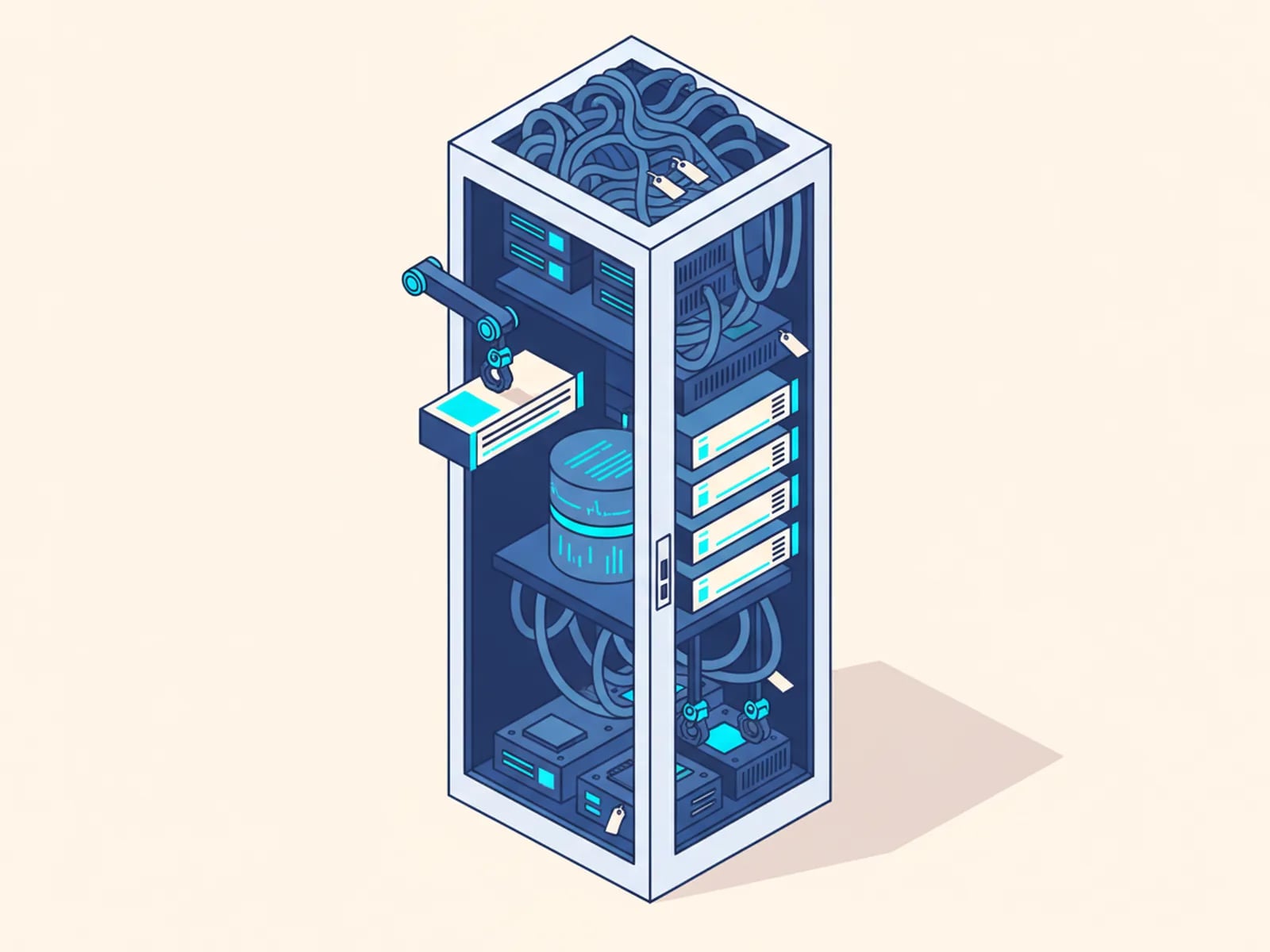
Why the old system is getting more expensive
A legacy application is software still in daily use that has outlived its technology: an aging Access database, a VB6 application, a PHP system nobody wants to touch. It works, until it blocks what you need to do next.
Keeping it alive gets dearer every year. Deloitte's technology budget analysis (2020) found 55% of technology budgets go to maintaining existing systems, against 19% for innovation.
Each module you modernize is one less thing draining that maintenance budget. See what a first increment costs.
Why not just rewrite it?
Big-bang rewrites switch the old system off and a new one on in a single cutover. They fail often enough that we don't sell them. The business can't pause while a multi-year rebuild catches up, requirements drift during the wait, and all the go-live risk lands on one day.
The safer pattern is incremental replacement, often called the strangler-fig pattern. A new system grows around the old one and takes over a piece at a time, until little of the original remains. The business keeps running through every step, and each increment proves its value before the next one starts.
How the incremental approach works
We start with the module causing the most pain: the slowest screen, the riskiest data entry, the report that keeps breaking. We rebuild it as a modern web application, connect it to the legacy system through its database or an API, and put it in front of users. The old system keeps handling everything else. Then we move to the next module.
Data migrates in controlled steps, not over one nervous weekend. Every increment ships with a way back if something looks wrong. AI-assisted development (vibecoding) keeps each increment small enough to show value in the first month.
The bridge between old and new is usually an integration layer, built the same way as our API integration services.
A typical starting point
A team runs its operations on a decade-old internal application. It only works on one aging server, no current staff member fully understands it, and no browser renders it cleanly.
We don't propose replacing all of it. We rebuild the one workflow staff use every day as a modern screen, wire it to the existing database and let the rest keep running. The daily pain is gone in weeks, and the risky parts retire on a schedule instead of overnight.
How Globaprom builds it
Each increment is scoped in writing, priced fixed and delivered in weeks. You own the new code in your repository, and it ships with single sign-on, role-based access control and audit logs.
Modernization is part of our custom internal tools development for IT teams, and the rebuilt modules often take the shape of a custom admin panel. Once they're live, an optional care plan keeps them patched and monitored.
Frequently Asked Questions
Do we have to replace the whole legacy system at once?
No, and we recommend against it. We replace one module at a time using the strangler-fig pattern, connecting each new piece to the old system so the business keeps running. Big-bang rewrites carry too much risk, so we sequence the work into small, provable increments.
What happens to our data during modernization?
Data moves in controlled steps, not one risky cutover. Each increment migrates only the data it needs, keeps the legacy system as the source of truth until the new module is proven, and ships with a way back if something looks wrong.
Can you modernize a system built in an old technology like Access or VB6?
Yes. Aging Access databases, VB6 applications, and old PHP systems are common starting points. We connect to them through their database or any available interface, rebuild the highest-pain module first, and retire the old technology on a schedule rather than all at once.
Start with the module that hurts most
Tell us which old system is holding up your roadmap. We'll scope the first increment with a fixed price and a delivery date in weeks.